
Get trending papers in your email inbox once a day!
Get trending papers in your email inbox!
Subscribe


Understanding Patterns of Deep Learning ModelEvolution in Network Architecture Search
Network Architecture Search and specifically Regularized Evolution is a common way to refine the structure of a deep learning model.However, little is known about how models empirically evolve over time which has design implications for designing caching policies, refining the search algorithm for particular applications, and other important use cases.In this work, we algorithmically analyze and quantitatively characterize the patterns of model evolution for a set of models from the Candle project and the Nasbench-201 search space.We show how the evolution of the model structure is influenced by the regularized evolution algorithm. We describe how evolutionary patterns appear in distributed settings and opportunities for caching and improved scheduling. Lastly, we describe the conditions that affect when particular model architectures rise and fall in popularity based on their frequency of acting as a donor in a sliding window.

Federated Stochastic Gradient Langevin Dynamics
Stochastic gradient MCMC methods, such as stochastic gradient Langevin dynamics (SGLD), employ fast but noisy gradient estimates to enable large-scale posterior sampling. Although we can easily extend SGLD to distributed settings, it suffers from two issues when applied to federated non-IID data. First, the variance of these estimates increases significantly. Second, delaying communication causes the Markov chains to diverge from the true posterior even for very simple models. To alleviate both these problems, we propose conducive gradients, a simple mechanism that combines local likelihood approximations to correct gradient updates. Notably, conducive gradients are easy to compute, and since we only calculate the approximations once, they incur negligible overhead. We apply conducive gradients to distributed stochastic gradient Langevin dynamics (DSGLD) and call the resulting method federated stochastic gradient Langevin dynamics (FSGLD). We demonstrate that our approach can handle delayed communication rounds, converging to the target posterior in cases where DSGLD fails. We also show that FSGLD outperforms DSGLD for non-IID federated data with experiments on metric learning and neural networks.
Exploring Scaling Laws for Local SGD in Large Language Model Training
This paper investigates scaling laws for local SGD in LLM training, a distributed optimization algorithm that facilitates training on loosely connected devices. Through extensive experiments, we show that local SGD achieves competitive results compared to conventional methods, given equivalent model parameters, datasets, and computational resources. Furthermore, we explore the application of local SGD in various practical scenarios, including multi-cluster setups and edge computing environments. Our findings elucidate the necessary conditions for effective multi-cluster LLM training and examine the potential and limitations of leveraging edge computing resources in the LLM training process. This demonstrates its viability as an alternative to single large-cluster training.
MultiSensor-Home: A Wide-area Multi-modal Multi-view Dataset for Action Recognition and Transformer-based Sensor Fusion
Multi-modal multi-view action recognition is a rapidly growing field in computer vision, offering significant potential for applications in surveillance. However, current datasets often fail to address real-world challenges such as wide-area distributed settings, asynchronous data streams, and the lack of frame-level annotations. Furthermore, existing methods face difficulties in effectively modeling inter-view relationships and enhancing spatial feature learning. In this paper, we introduce the MultiSensor-Home dataset, a novel benchmark designed for comprehensive action recognition in home environments, and also propose the Multi-modal Multi-view Transformer-based Sensor Fusion (MultiTSF) method. The proposed MultiSensor-Home dataset features untrimmed videos captured by distributed sensors, providing high-resolution RGB and audio data along with detailed multi-view frame-level action labels. The proposed MultiTSF method leverages a Transformer-based fusion mechanism to dynamically model inter-view relationships. Furthermore, the proposed method integrates a human detection module to enhance spatial feature learning, guiding the model to prioritize frames with human activity to enhance action the recognition accuracy. Experiments on the proposed MultiSensor-Home and the existing MM-Office datasets demonstrate the superiority of MultiTSF over the state-of-the-art methods. Quantitative and qualitative results highlight the effectiveness of the proposed method in advancing real-world multi-modal multi-view action recognition. The source code is available at https://github.com/thanhhff/MultiTSF.
Intellectual Property Protection for Deep Learning Model and Dataset Intelligence
With the growing applications of Deep Learning (DL), especially recent spectacular achievements of Large Language Models (LLMs) such as ChatGPT and LLaMA, the commercial significance of these remarkable models has soared. However, acquiring well-trained models is costly and resource-intensive. It requires a considerable high-quality dataset, substantial investment in dedicated architecture design, expensive computational resources, and efforts to develop technical expertise. Consequently, safeguarding the Intellectual Property (IP) of well-trained models is attracting increasing attention. In contrast to existing surveys overwhelmingly focusing on model IPP mainly, this survey not only encompasses the protection on model level intelligence but also valuable dataset intelligence. Firstly, according to the requirements for effective IPP design, this work systematically summarizes the general and scheme-specific performance evaluation metrics. Secondly, from proactive IP infringement prevention and reactive IP ownership verification perspectives, it comprehensively investigates and analyzes the existing IPP methods for both dataset and model intelligence. Additionally, from the standpoint of training settings, it delves into the unique challenges that distributed settings pose to IPP compared to centralized settings. Furthermore, this work examines various attacks faced by deep IPP techniques. Finally, we outline prospects for promising future directions that may act as a guide for innovative research.
An overview of gradient descent optimization algorithms
Gradient descent optimization algorithms, while increasingly popular, are often used as black-box optimizers, as practical explanations of their strengths and weaknesses are hard to come by. This article aims to provide the reader with intuitions with regard to the behaviour of different algorithms that will allow her to put them to use. In the course of this overview, we look at different variants of gradient descent, summarize challenges, introduce the most common optimization algorithms, review architectures in a parallel and distributed setting, and investigate additional strategies for optimizing gradient descent.

COAT: Compressing Optimizer states and Activation for Memory-Efficient FP8 Training
FP8 training has emerged as a promising method for improving training efficiency. Existing frameworks accelerate training by applying FP8 computation to linear layers while leaving optimizer states and activations in higher precision, which fails to fully optimize memory usage. This paper introduces COAT (Compressing Optimizer States and Activations for FP8 Training), a novel FP8 training framework designed to significantly reduce memory footprint when training large models. COAT addresses current limitations through two key innovations: (1) Dynamic Range Expansion, which aligns optimizer state distributions more closely with the FP8 representation range, thereby reducing quantization error, and (2) Mixed-Granularity Activation Quantization, which optimizes activation memory using a combination of per-tensor and per-group quantization strategies. Experiments demonstrate that COAT effectively reduces end-to-end training memory footprint by 1.54x compared to BF16 while achieving nearly lossless performance across various tasks, such as Large Language Model pretraining and fine-tuning and Vision Language Model training. COAT also achieves a 1.43x end-to-end training speedup compared to BF16, performing on par with or surpassing TransformerEngine's speedup. COAT enables efficient full-parameter training of large models on fewer GPUs, and facilitates doubling the batch size in distributed training settings, providing a practical solution for scaling large-scale model training. The code is available at https://github.com/NVlabs/COAT.



Federated Learning for ICD Classification with Lightweight Models and Pretrained Embeddings
This study investigates the feasibility and performance of federated learning (FL) for multi-label ICD code classification using clinical notes from the MIMIC-IV dataset. Unlike previous approaches that rely on centralized training or fine-tuned large language models, we propose a lightweight and scalable pipeline combining frozen text embeddings with simple multilayer perceptron (MLP) classifiers. This design offers a privacy-preserving and deployment-efficient alternative for clinical NLP applications, particularly suited to distributed healthcare settings. Extensive experiments across both centralized and federated configurations were conducted, testing six publicly available embedding models from Massive Text Embedding Benchmark leaderboard and three MLP classifier architectures under two medical coding (ICD-9 and ICD-10). Additionally, ablation studies over ten random stratified splits assess performance stability. Results show that embedding quality substantially outweighs classifier complexity in determining predictive performance, and that federated learning can closely match centralized results in idealized conditions. While the models are orders of magnitude smaller than state-of-the-art architectures and achieved competitive micro and macro F1 scores, limitations remain including the lack of end-to-end training and the simplified FL assumptions. Nevertheless, this work demonstrates a viable way toward scalable, privacy-conscious medical coding systems and offers a step toward for future research into federated, domain-adaptive clinical AI.
Distributed Stochastic Gradient Descent: Nonconvexity, Nonsmoothness, and Convergence to Local Minima
In centralized settings, it is well known that stochastic gradient descent (SGD) avoids saddle points and converges to local minima in nonconvex problems. However, similar guarantees are lacking for distributed first-order algorithms. The paper studies distributed stochastic gradient descent (D-SGD)--a simple network-based implementation of SGD. Conditions under which D-SGD avoids saddle points and converges to local minima are studied. First, we consider the problem of computing critical points. Assuming loss functions are nonconvex and possibly nonsmooth, it is shown that, for each fixed initialization, D-SGD converges to critical points of the loss with probability one. Next, we consider the problem of avoiding saddle points. In this case, we again assume that loss functions may be nonconvex and nonsmooth, but are smooth in a neighborhood of a saddle point. It is shown that, for any fixed initialization, D-SGD avoids such saddle points with probability one. Results are proved by studying the underlying (distributed) gradient flow, using the ordinary differential equation (ODE) method of stochastic approximation, and extending classical techniques from dynamical systems theory such as stable manifolds. Results are proved in the general context of subspace-constrained optimization, of which D-SGD is a special case.
Distributed Contextual Linear Bandits with Minimax Optimal Communication Cost
We study distributed contextual linear bandits with stochastic contexts, where N agents act cooperatively to solve a linear bandit-optimization problem with d-dimensional features over the course of T rounds. For this problem, we derive the first ever information-theoretic lower bound Omega(dN) on the communication cost of any algorithm that performs optimally in a regret minimization setup. We then propose a distributed batch elimination version of the LinUCB algorithm, DisBE-LUCB, where the agents share information among each other through a central server. We prove that the communication cost of DisBE-LUCB matches our lower bound up to logarithmic factors. In particular, for scenarios with known context distribution, the communication cost of DisBE-LUCB is only mathcal{O}(dN) and its regret is {mathcal{O}}(dNT), which is of the same order as that incurred by an optimal single-agent algorithm for NT rounds. We also provide similar bounds for practical settings where the context distribution can only be estimated. Therefore, our proposed algorithm is nearly minimax optimal in terms of both regret and communication cost. Finally, we propose DecBE-LUCB, a fully decentralized version of DisBE-LUCB, which operates without a central server, where agents share information with their immediate neighbors through a carefully designed consensus procedure.
Distributed Speculative Inference of Large Language Models
Accelerating the inference of large language models (LLMs) is an important challenge in artificial intelligence. This paper introduces distributed speculative inference (DSI), a novel distributed inference algorithm that is provably faster than speculative inference (SI) [leviathan2023fast, chen2023accelerating, miao2023specinfer] and traditional autoregressive inference (non-SI). Like other SI algorithms, DSI works on frozen LLMs, requiring no training or architectural modifications, and it preserves the target distribution. Prior studies on SI have demonstrated empirical speedups (compared to non-SI) but require a fast and accurate drafter LLM. In practice, off-the-shelf LLMs often do not have matching drafters that are sufficiently fast and accurate. We show a gap: SI gets slower than non-SI when using slower or less accurate drafters. We close this gap by proving that DSI is faster than both SI and non-SI given any drafters. By orchestrating multiple instances of the target and drafters, DSI is not only faster than SI but also supports LLMs that cannot be accelerated with SI. Our simulations show speedups of off-the-shelf LLMs in realistic settings: DSI is 1.29-1.92x faster than SI.





TokenWeave: Efficient Compute-Communication Overlap for Distributed LLM Inference
Distributed inference of large language models (LLMs) can introduce overheads of up to 20% even over GPUs connected via high-speed interconnects such as NVLINK. Multiple techniques have been proposed to mitigate these overheads by decomposing computations into finer-grained tasks and overlapping communication with sub-tasks as they complete. However, fine-grained decomposition of a large computation into many smaller computations on GPUs results in overheads. Further, the communication itself uses many streaming multiprocessors (SMs), adding to the overhead. We present TokenWeave to address these challenges. TokenWeave proposes a Token-Splitting technique that divides the tokens in the inference batch into two approximately equal subsets in a wave-aware manner. The computation of one subset is then overlapped with the communication of the other. In addition, TokenWeave optimizes the order of the layer normalization computation with respect to communication operations and implements a novel fused AllReduce-RMSNorm kernel carefully leveraging Multimem instruction support available on NVIDIA Hopper GPUs. These optimizations allow TokenWeave to perform communication and RMSNorm using only 2-8 SMs. Moreover, our kernel enables the memory bound RMSNorm to be overlapped with the other batch's computation, providing additional gains. Our evaluations demonstrate up to 29% latency gains and up to 26% throughput gains across multiple models and workloads. In several settings, TokenWeave results in better performance compared to an equivalent model with all communication removed.
BurstAttention: An Efficient Distributed Attention Framework for Extremely Long Sequences
Effective attention modules have played a crucial role in the success of Transformer-based large language models (LLMs), but the quadratic time and memory complexities of these attention modules also pose a challenge when processing long sequences. One potential solution for the long sequence problem is to utilize distributed clusters to parallelize the computation of attention modules across multiple devices (e.g., GPUs). However, adopting a distributed approach inevitably introduces extra memory overheads to store local attention results and incurs additional communication costs to aggregate local results into global ones. In this paper, we propose a distributed attention framework named ``BurstAttention'' to optimize memory access and communication operations at both the global cluster and local device levels. In our experiments, we compare BurstAttention with other competitive distributed attention solutions for long sequence processing. The experimental results under different length settings demonstrate that BurstAttention offers significant advantages for processing long sequences compared with these competitive baselines, reducing 40% communication overheads and achieving 2 X speedup during training 32K sequence length on 8 X A100.


Flag Aggregator: Scalable Distributed Training under Failures and Augmented Losses using Convex Optimization
Modern ML applications increasingly rely on complex deep learning models and large datasets. There has been an exponential growth in the amount of computation needed to train the largest models. Therefore, to scale computation and data, these models are inevitably trained in a distributed manner in clusters of nodes, and their updates are aggregated before being applied to the model. However, a distributed setup is prone to Byzantine failures of individual nodes, components, and software. With data augmentation added to these settings, there is a critical need for robust and efficient aggregation systems. We define the quality of workers as reconstruction ratios in (0,1], and formulate aggregation as a Maximum Likelihood Estimation procedure using Beta densities. We show that the Regularized form of log-likelihood wrt subspace can be approximately solved using iterative least squares solver, and provide convergence guarantees using recent Convex Optimization landscape results. Our empirical findings demonstrate that our approach significantly enhances the robustness of state-of-the-art Byzantine resilient aggregators. We evaluate our method in a distributed setup with a parameter server, and show simultaneous improvements in communication efficiency and accuracy across various tasks. The code is publicly available at https://github.com/hamidralmasi/FlagAggregator
SQUASH: Serverless and Distributed Quantization-based Attributed Vector Similarity Search
Vector similarity search presents significant challenges in terms of scalability for large and high-dimensional datasets, as well as in providing native support for hybrid queries. Serverless computing and cloud functions offer attractive benefits such as elasticity and cost-effectiveness, but are difficult to apply to data-intensive workloads. Jointly addressing these two main challenges, we present SQUASH, the first fully serverless vector search solution with rich support for hybrid queries. It features OSQ, an optimized and highly parallelizable quantization-based approach for vectors and attributes. Its segment-based storage mechanism enables significant compression in resource-constrained settings and offers efficient dimensional extraction operations. SQUASH performs a single distributed pass to guarantee the return of sufficiently many vectors satisfying the filter predicate, achieving high accuracy and avoiding redundant computation for vectors which fail the predicate. A multi-level search workflow is introduced to prune most vectors early to minimize the load on Function-as-a-Service (FaaS) instances. SQUASH is designed to identify and utilize retention of relevant data in re-used runtime containers, which eliminates redundant I/O and reduces costs. Finally, we demonstrate a new tree-based method for rapid FaaS invocation, enabling the bi-directional flow of data via request/response payloads. Experiments comparing SQUASH with state-of-the-art serverless vector search solutions and server-based baselines on vector search benchmarks confirm significant performance improvements at a lower cost.
textTOvec: Deep Contextualized Neural Autoregressive Topic Models of Language with Distributed Compositional Prior
We address two challenges of probabilistic topic modelling in order to better estimate the probability of a word in a given context, i.e., P(word|context): (1) No Language Structure in Context: Probabilistic topic models ignore word order by summarizing a given context as a "bag-of-word" and consequently the semantics of words in the context is lost. The LSTM-LM learns a vector-space representation of each word by accounting for word order in local collocation patterns and models complex characteristics of language (e.g., syntax and semantics), while the TM simultaneously learns a latent representation from the entire document and discovers the underlying thematic structure. We unite two complementary paradigms of learning the meaning of word occurrences by combining a TM (e.g., DocNADE) and a LM in a unified probabilistic framework, named as ctx-DocNADE. (2) Limited Context and/or Smaller training corpus of documents: In settings with a small number of word occurrences (i.e., lack of context) in short text or data sparsity in a corpus of few documents, the application of TMs is challenging. We address this challenge by incorporating external knowledge into neural autoregressive topic models via a language modelling approach: we use word embeddings as input of a LSTM-LM with the aim to improve the word-topic mapping on a smaller and/or short-text corpus. The proposed DocNADE extension is named as ctx-DocNADEe. We present novel neural autoregressive topic model variants coupled with neural LMs and embeddings priors that consistently outperform state-of-the-art generative TMs in terms of generalization (perplexity), interpretability (topic coherence) and applicability (retrieval and classification) over 6 long-text and 8 short-text datasets from diverse domains.
lo-fi: distributed fine-tuning without communication
When fine-tuning large neural networks, it is common to use multiple nodes and to communicate gradients at each optimization step. By contrast, we investigate completely local fine-tuning, which we refer to as lo-fi. During lo-fi, each node is fine-tuned independently without any communication. Then, the weights are averaged across nodes at the conclusion of fine-tuning. When fine-tuning DeiT-base and DeiT-large on ImageNet, this procedure matches accuracy in-distribution and improves accuracy under distribution shift compared to the baseline, which observes the same amount of data but communicates gradients at each step. We also observe that lo-fi matches the baseline's performance when fine-tuning OPT language models (up to 1.3B parameters) on Common Crawl. By removing the communication requirement, lo-fi reduces resource barriers for fine-tuning large models and enables fine-tuning in settings with prohibitive communication cost.
EControl: Fast Distributed Optimization with Compression and Error Control
Modern distributed training relies heavily on communication compression to reduce the communication overhead. In this work, we study algorithms employing a popular class of contractive compressors in order to reduce communication overhead. However, the naive implementation often leads to unstable convergence or even exponential divergence due to the compression bias. Error Compensation (EC) is an extremely popular mechanism to mitigate the aforementioned issues during the training of models enhanced by contractive compression operators. Compared to the effectiveness of EC in the data homogeneous regime, the understanding of the practicality and theoretical foundations of EC in the data heterogeneous regime is limited. Existing convergence analyses typically rely on strong assumptions such as bounded gradients, bounded data heterogeneity, or large batch accesses, which are often infeasible in modern machine learning applications. We resolve the majority of current issues by proposing EControl, a novel mechanism that can regulate error compensation by controlling the strength of the feedback signal. We prove fast convergence for EControl in standard strongly convex, general convex, and nonconvex settings without any additional assumptions on the problem or data heterogeneity. We conduct extensive numerical evaluations to illustrate the efficacy of our method and support our theoretical findings.
Holmes: Towards Distributed Training Across Clusters with Heterogeneous NIC Environment
Large language models (LLMs) such as GPT-3, OPT, and LLaMA have demonstrated remarkable accuracy in a wide range of tasks. However, training these models can incur significant expenses, often requiring tens of thousands of GPUs for months of continuous operation. Typically, this training is carried out in specialized GPU clusters equipped with homogeneous high-speed Remote Direct Memory Access (RDMA) network interface cards (NICs). The acquisition and maintenance of such dedicated clusters is challenging. Current LLM training frameworks, like Megatron-LM and Megatron-DeepSpeed, focus primarily on optimizing training within homogeneous cluster settings. In this paper, we introduce Holmes, a training framework for LLMs that employs thoughtfully crafted data and model parallelism strategies over the heterogeneous NIC environment. Our primary technical contribution lies in a novel scheduling method that intelligently allocates distinct computational tasklets in LLM training to specific groups of GPU devices based on the characteristics of their connected NICs. Furthermore, our proposed framework, utilizing pipeline parallel techniques, demonstrates scalability to multiple GPU clusters, even in scenarios without high-speed interconnects between nodes in distinct clusters. We conducted comprehensive experiments that involved various scenarios in the heterogeneous NIC environment. In most cases, our framework achieves performance levels close to those achievable with homogeneous RDMA-capable networks (InfiniBand or RoCE), significantly exceeding training efficiency within the pure Ethernet environment. Additionally, we verified that our framework outperforms other mainstream LLM frameworks under heterogeneous NIC environment in terms of training efficiency and can be seamlessly integrated with them.
ArrayBot: Reinforcement Learning for Generalizable Distributed Manipulation through Touch
We present ArrayBot, a distributed manipulation system consisting of a 16 times 16 array of vertically sliding pillars integrated with tactile sensors, which can simultaneously support, perceive, and manipulate the tabletop objects. Towards generalizable distributed manipulation, we leverage reinforcement learning (RL) algorithms for the automatic discovery of control policies. In the face of the massively redundant actions, we propose to reshape the action space by considering the spatially local action patch and the low-frequency actions in the frequency domain. With this reshaped action space, we train RL agents that can relocate diverse objects through tactile observations only. Surprisingly, we find that the discovered policy can not only generalize to unseen object shapes in the simulator but also transfer to the physical robot without any domain randomization. Leveraging the deployed policy, we present abundant real-world manipulation tasks, illustrating the vast potential of RL on ArrayBot for distributed manipulation.



Cleanba: A Reproducible and Efficient Distributed Reinforcement Learning Platform
Distributed Deep Reinforcement Learning (DRL) aims to leverage more computational resources to train autonomous agents with less training time. Despite recent progress in the field, reproducibility issues have not been sufficiently explored. This paper first shows that the typical actor-learner framework can have reproducibility issues even if hyperparameters are controlled. We then introduce Cleanba, a new open-source platform for distributed DRL that proposes a highly reproducible architecture. Cleanba implements highly optimized distributed variants of PPO and IMPALA. Our Atari experiments show that these variants can obtain equivalent or higher scores than strong IMPALA baselines in moolib and torchbeast and PPO baseline in CleanRL. However, Cleanba variants present 1) shorter training time and 2) more reproducible learning curves in different hardware settings. Cleanba's source code is available at https://github.com/vwxyzjn/cleanba



SybilQuorum: Open Distributed Ledgers Through Trust Networks
The Sybil attack plagues all peer-to-peer systems, and modern open distributed ledgers employ a number of tactics to prevent it from proof of work, or other resources such as space, stake or memory, to traditional admission control in permissioned settings. With SybilQuorum we propose an alternative approach to securing an open distributed ledger against Sybil attacks, and ensuring consensus amongst honest participants, leveraging social network based Sybil defences. We show how nodes expressing their trust relationships through the ledger can bootstrap and operate a value system, and general transaction system, and how Sybil attacks are thwarted. We empirically evaluate our system as a secure Federated Byzantine Agreement System, and extend the theory of those systems to do so.
BhashaKritika: Building Synthetic Pretraining Data at Scale for Indic Languages
In the context of pretraining of Large Language Models (LLMs), synthetic data has emerged as an alternative for generating high-quality pretraining data at scale. This is particularly beneficial in low-resource language settings where the benefits of recent LLMs have been unevenly distributed across languages. In this work, we present a systematic study on the generation and evaluation of synthetic multilingual pretraining data for Indic languages, where we construct a large-scale synthetic dataset BhashaKritika, comprising 540B tokens using 5 different techniques for 10 languages. We explore the impact of grounding generation in documents, personas, and topics. We analyze how language choice, both in the prompt instructions and document grounding, affects data quality, and we compare translations of English content with native generation in Indic languages. To support scalable and language-sensitive evaluation, we introduce a modular quality evaluation pipeline that integrates script and language detection, metadata consistency checks, n-gram repetition analysis, and perplexity-based filtering using KenLM models. Our framework enables robust quality control across diverse scripts and linguistic contexts. Empirical results through model runs reveal key trade-offs in generation strategies and highlight best practices for constructing effective multilingual corpora.
Decentralised Traffic Incident Detection via Network Lasso
Traffic incident detection plays a key role in intelligent transportation systems, which has gained great attention in transport engineering. In the past, traditional machine learning (ML) based detection methods achieved good performance under a centralised computing paradigm, where all data are transmitted to a central server for building ML models therein. Nowadays, deep neural networks based federated learning (FL) has become a mainstream detection approach to enable the model training in a decentralised manner while warranting local data governance. Such neural networks-centred techniques, however, have overshadowed the utility of well-established ML-based detection methods. In this work, we aim to explore the potential of potent conventional ML-based detection models in modern traffic scenarios featured by distributed data. We leverage an elegant but less explored distributed optimisation framework named Network Lasso, with guaranteed global convergence for convex problem formulations, integrate the potent convex ML model with it, and compare it with centralised learning, local learning, and federated learning methods atop a well-known traffic incident detection dataset. Experimental results show that the proposed network lasso-based approach provides a promising alternative to the FL-based approach in data-decentralised traffic scenarios, with a strong convergence guarantee while rekindling the significance of conventional ML-based detection methods.
Scikit-learn: Machine Learning in Python
Scikit-learn is a Python module integrating a wide range of state-of-the-art machine learning algorithms for medium-scale supervised and unsupervised problems. This package focuses on bringing machine learning to non-specialists using a general-purpose high-level language. Emphasis is put on ease of use, performance, documentation, and API consistency. It has minimal dependencies and is distributed under the simplified BSD license, encouraging its use in both academic and commercial settings. Source code, binaries, and documentation can be downloaded from http://scikit-learn.org.




Marigold-DC: Zero-Shot Monocular Depth Completion with Guided Diffusion
Depth completion upgrades sparse depth measurements into dense depth maps guided by a conventional image. Existing methods for this highly ill-posed task operate in tightly constrained settings and tend to struggle when applied to images outside the training domain or when the available depth measurements are sparse, irregularly distributed, or of varying density. Inspired by recent advances in monocular depth estimation, we reframe depth completion as an image-conditional depth map generation guided by sparse measurements. Our method, Marigold-DC, builds on a pretrained latent diffusion model for monocular depth estimation and injects the depth observations as test-time guidance via an optimization scheme that runs in tandem with the iterative inference of denoising diffusion. The method exhibits excellent zero-shot generalization across a diverse range of environments and handles even extremely sparse guidance effectively. Our results suggest that contemporary monocular depth priors greatly robustify depth completion: it may be better to view the task as recovering dense depth from (dense) image pixels, guided by sparse depth; rather than as inpainting (sparse) depth, guided by an image. Project website: https://MarigoldDepthCompletion.github.io/


Accelerated Convergence of Stochastic Heavy Ball Method under Anisotropic Gradient Noise
Heavy-ball momentum with decaying learning rates is widely used with SGD for optimizing deep learning models. In contrast to its empirical popularity, the understanding of its theoretical property is still quite limited, especially under the standard anisotropic gradient noise condition for quadratic regression problems. Although it is widely conjectured that heavy-ball momentum method can provide accelerated convergence and should work well in large batch settings, there is no rigorous theoretical analysis. In this paper, we fill this theoretical gap by establishing a non-asymptotic convergence bound for stochastic heavy-ball methods with step decay scheduler on quadratic objectives, under the anisotropic gradient noise condition. As a direct implication, we show that heavy-ball momentum can provide mathcal{O}(kappa) accelerated convergence of the bias term of SGD while still achieving near-optimal convergence rate with respect to the stochastic variance term. The combined effect implies an overall convergence rate within log factors from the statistical minimax rate. This means SGD with heavy-ball momentum is useful in the large-batch settings such as distributed machine learning or federated learning, where a smaller number of iterations can significantly reduce the number of communication rounds, leading to acceleration in practice.

FedVLM: Scalable Personalized Vision-Language Models through Federated Learning
Vision-language models (VLMs) demonstrate impressive zero-shot and few-shot learning capabilities, making them essential for several downstream tasks. However, fine-tuning these models at scale remains challenging, particularly in federated environments where data is decentralized and non-iid across clients. Existing parameter-efficient tuning methods like LoRA (Low-Rank Adaptation) reduce computational overhead but struggle with heterogeneous client data, leading to suboptimal generalization. To address these challenges, we propose FedVLM, a federated LoRA fine-tuning framework that enables decentralized adaptation of VLMs while preserving model privacy and reducing reliance on centralized training. To further tackle data heterogeneity, we introduce personalized LoRA (pLoRA), which dynamically adapts LoRA parameters to each client's unique data distribution, significantly improving local adaptation while maintaining global model aggregation. Experiments on the RLAIF-V dataset show that pLoRA improves client-specific performance by 24.5% over standard LoRA, demonstrating superior adaptation in non-iid settings. FedVLM provides a scalable and efficient solution for fine-tuning VLMs in federated settings, advancing personalized adaptation in distributed learning scenarios.
ICLEF: In-Context Learning with Expert Feedback for Explainable Style Transfer
While state-of-the-art language models excel at the style transfer task, current work does not address explainability of style transfer systems. Explanations could be generated using large language models such as GPT-3.5 and GPT-4, but the use of such complex systems is inefficient when smaller, widely distributed, and transparent alternatives are available. We propose a framework to augment and improve a formality style transfer dataset with explanations via model distillation from ChatGPT. To further refine the generated explanations, we propose a novel way to incorporate scarce expert human feedback using in-context learning (ICLEF: In-Context Learning from Expert Feedback) by prompting ChatGPT to act as a critic to its own outputs. We use the resulting dataset of 9,960 explainable formality style transfer instances (e-GYAFC) to show that current openly distributed instruction-tuned models (and, in some settings, ChatGPT) perform poorly on the task, and that fine-tuning on our high-quality dataset leads to significant improvements as shown by automatic evaluation. In human evaluation, we show that models much smaller than ChatGPT fine-tuned on our data align better with expert preferences. Finally, we discuss two potential applications of models fine-tuned on the explainable style transfer task: interpretable authorship verification and interpretable adversarial attacks on AI-generated text detectors.
Towards Unbiased Training in Federated Open-world Semi-supervised Learning
Federated Semi-supervised Learning (FedSSL) has emerged as a new paradigm for allowing distributed clients to collaboratively train a machine learning model over scarce labeled data and abundant unlabeled data. However, existing works for FedSSL rely on a closed-world assumption that all local training data and global testing data are from seen classes observed in the labeled dataset. It is crucial to go one step further: adapting FL models to an open-world setting, where unseen classes exist in the unlabeled data. In this paper, we propose a novel Federatedopen-world Semi-Supervised Learning (FedoSSL) framework, which can solve the key challenge in distributed and open-world settings, i.e., the biased training process for heterogeneously distributed unseen classes. Specifically, since the advent of a certain unseen class depends on a client basis, the locally unseen classes (exist in multiple clients) are likely to receive differentiated superior aggregation effects than the globally unseen classes (exist only in one client). We adopt an uncertainty-aware suppressed loss to alleviate the biased training between locally unseen and globally unseen classes. Besides, we enable a calibration module supplementary to the global aggregation to avoid potential conflicting knowledge transfer caused by inconsistent data distribution among different clients. The proposed FedoSSL can be easily adapted to state-of-the-art FL methods, which is also validated via extensive experiments on benchmarks and real-world datasets (CIFAR-10, CIFAR-100 and CINIC-10).
Differentially Private Distributed Bayesian Linear Regression with MCMC
We propose a novel Bayesian inference framework for distributed differentially private linear regression. We consider a distributed setting where multiple parties hold parts of the data and share certain summary statistics of their portions in privacy-preserving noise. We develop a novel generative statistical model for privately shared statistics, which exploits a useful distributional relation between the summary statistics of linear regression. Bayesian estimation of the regression coefficients is conducted mainly using Markov chain Monte Carlo algorithms, while we also provide a fast version to perform Bayesian estimation in one iteration. The proposed methods have computational advantages over their competitors. We provide numerical results on both real and simulated data, which demonstrate that the proposed algorithms provide well-rounded estimation and prediction.
Revisiting SMoE Language Models by Evaluating Inefficiencies with Task Specific Expert Pruning
Sparse Mixture of Expert (SMoE) models have emerged as a scalable alternative to dense models in language modeling. These models use conditionally activated feedforward subnetworks in transformer blocks, allowing for a separation between total model parameters and per-example computation. However, large token-routed SMoE models face a significant challenge: during inference, the entire model must be used for a sequence or a batch, resulting in high latencies in a distributed setting that offsets the advantages of per-token sparse activation. Our research explores task-specific model pruning to inform decisions about designing SMoE architectures, mainly modulating the choice of expert counts in pretraining. We investigate whether such pruned models offer advantages over smaller SMoE models trained from scratch, when evaluating and comparing them individually on tasks. To that end, we introduce an adaptive task-aware pruning technique UNCURL to reduce the number of experts per MoE layer in an offline manner post-training. Our findings reveal a threshold pruning factor for the reduction that depends on the number of experts used in pretraining, above which, the reduction starts to degrade model performance. These insights contribute to our understanding of model design choices when pretraining with SMoE architectures, particularly useful when considering task-specific inference optimization for later stages.


Adaptive Deployment of Untrusted LLMs Reduces Distributed Threats
As large language models (LLMs) become increasingly capable, it is prudent to assess whether safety measures remain effective even if LLMs intentionally try to bypass them. Previous work introduced control evaluations, an adversarial framework for testing deployment strategies of untrusted models (i.e., models which might be trying to bypass safety measures). While prior work treats a single failure as unacceptable, we perform control evaluations in a "distributed threat setting" -- a setting where no single action is catastrophic and no single action provides overwhelming evidence of misalignment. We approach this problem with a two-level deployment framework that uses an adaptive macro-protocol to choose between micro-protocols. Micro-protocols operate on a single task, using a less capable, but extensively tested (trusted) model to harness and monitor the untrusted model. Meanwhile, the macro-protocol maintains an adaptive credence on the untrusted model's alignment based on its past actions, using it to pick between safer and riskier micro-protocols. We evaluate our method in a code generation testbed where a red team attempts to generate subtly backdoored code with an LLM whose deployment is safeguarded by a blue team. We plot Pareto frontiers of safety (# of non-backdoored solutions) and usefulness (# of correct solutions). At a given level of usefulness, our adaptive deployment strategy reduces the number of backdoors by 80% compared to non-adaptive baselines.
A Unified Convergence Analysis for Semi-Decentralized Learning: Sampled-to-Sampled vs. Sampled-to-All Communication
In semi-decentralized federated learning, devices primarily rely on device-to-device communication but occasionally interact with a central server. Periodically, a sampled subset of devices uploads their local models to the server, which computes an aggregate model. The server can then either (i) share this aggregate model only with the sampled clients (sampled-to-sampled, S2S) or (ii) broadcast it to all clients (sampled-to-all, S2A). Despite their practical significance, a rigorous theoretical and empirical comparison of these two strategies remains absent. We address this gap by analyzing S2S and S2A within a unified convergence framework that accounts for key system parameters: sampling rate, server aggregation frequency, and network connectivity. Our results, both analytical and experimental, reveal distinct regimes where one strategy outperforms the other, depending primarily on the degree of data heterogeneity across devices. These insights lead to concrete design guidelines for practical semi-decentralized FL deployments.
Bold but Cautious: Unlocking the Potential of Personalized Federated Learning through Cautiously Aggressive Collaboration
Personalized federated learning (PFL) reduces the impact of non-independent and identically distributed (non-IID) data among clients by allowing each client to train a personalized model when collaborating with others. A key question in PFL is to decide which parameters of a client should be localized or shared with others. In current mainstream approaches, all layers that are sensitive to non-IID data (such as classifier layers) are generally personalized. The reasoning behind this approach is understandable, as localizing parameters that are easily influenced by non-IID data can prevent the potential negative effect of collaboration. However, we believe that this approach is too conservative for collaboration. For example, for a certain client, even if its parameters are easily influenced by non-IID data, it can still benefit by sharing these parameters with clients having similar data distribution. This observation emphasizes the importance of considering not only the sensitivity to non-IID data but also the similarity of data distribution when determining which parameters should be localized in PFL. This paper introduces a novel guideline for client collaboration in PFL. Unlike existing approaches that prohibit all collaboration of sensitive parameters, our guideline allows clients to share more parameters with others, leading to improved model performance. Additionally, we propose a new PFL method named FedCAC, which employs a quantitative metric to evaluate each parameter's sensitivity to non-IID data and carefully selects collaborators based on this evaluation. Experimental results demonstrate that FedCAC enables clients to share more parameters with others, resulting in superior performance compared to state-of-the-art methods, particularly in scenarios where clients have diverse distributions.
Towards Instance-adaptive Inference for Federated Learning
Federated learning (FL) is a distributed learning paradigm that enables multiple clients to learn a powerful global model by aggregating local training. However, the performance of the global model is often hampered by non-i.i.d. distribution among the clients, requiring extensive efforts to mitigate inter-client data heterogeneity. Going beyond inter-client data heterogeneity, we note that intra-client heterogeneity can also be observed on complex real-world data and seriously deteriorate FL performance. In this paper, we present a novel FL algorithm, i.e., FedIns, to handle intra-client data heterogeneity by enabling instance-adaptive inference in the FL framework. Instead of huge instance-adaptive models, we resort to a parameter-efficient fine-tuning method, i.e., scale and shift deep features (SSF), upon a pre-trained model. Specifically, we first train an SSF pool for each client, and aggregate these SSF pools on the server side, thus still maintaining a low communication cost. To enable instance-adaptive inference, for a given instance, we dynamically find the best-matched SSF subsets from the pool and aggregate them to generate an adaptive SSF specified for the instance, thereby reducing the intra-client as well as the inter-client heterogeneity. Extensive experiments show that our FedIns outperforms state-of-the-art FL algorithms, e.g., a 6.64\% improvement against the top-performing method with less than 15\% communication cost on Tiny-ImageNet. Our code and models will be publicly released.
MoDeST: Bridging the Gap between Federated and Decentralized Learning with Decentralized Sampling
Federated and decentralized machine learning leverage end-user devices for privacy-preserving training of models at lower operating costs than within a data center. In a round of Federated Learning (FL), a random sample of participants trains locally, then a central server aggregates the local models to produce a single model for the next round. In a round of Decentralized Learning (DL), all participants train locally and then aggregate with their immediate neighbors, resulting in many local models with residual variance between them. On the one hand, FL's sampling and lower model variance provides lower communication costs and faster convergence. On the other hand, DL removes the need for a central server and distributes the communication costs more evenly amongst nodes, albeit at a larger total communication cost and slower convergence. In this paper, we present MoDeST: Mostly-Consistent Decentralized Sampling Training. MoDeST implements decentralized sampling in which a random subset of nodes is responsible for training and aggregation every round: this provides the benefits of both FL and DL without their traditional drawbacks. Our evaluation of MoDeST on four common learning tasks: (i) confirms convergence as fast as FL, (ii) shows a 3x-14x reduction in communication costs compared to DL, and (iii) demonstrates that MoDeST quickly adapts to nodes joining, leaving, or failing, even when 80% of all nodes become unresponsive.


Adaptive Federated Optimization
Federated learning is a distributed machine learning paradigm in which a large number of clients coordinate with a central server to learn a model without sharing their own training data. Standard federated optimization methods such as Federated Averaging (FedAvg) are often difficult to tune and exhibit unfavorable convergence behavior. In non-federated settings, adaptive optimization methods have had notable success in combating such issues. In this work, we propose federated versions of adaptive optimizers, including Adagrad, Adam, and Yogi, and analyze their convergence in the presence of heterogeneous data for general non-convex settings. Our results highlight the interplay between client heterogeneity and communication efficiency. We also perform extensive experiments on these methods and show that the use of adaptive optimizers can significantly improve the performance of federated learning.
Decentralized Diffusion Models
Large-scale AI model training divides work across thousands of GPUs, then synchronizes gradients across them at each step. This incurs a significant network burden that only centralized, monolithic clusters can support, driving up infrastructure costs and straining power systems. We propose Decentralized Diffusion Models, a scalable framework for distributing diffusion model training across independent clusters or datacenters by eliminating the dependence on a centralized, high-bandwidth networking fabric. Our method trains a set of expert diffusion models over partitions of the dataset, each in full isolation from one another. At inference time, the experts ensemble through a lightweight router. We show that the ensemble collectively optimizes the same objective as a single model trained over the whole dataset. This means we can divide the training burden among a number of "compute islands," lowering infrastructure costs and improving resilience to localized GPU failures. Decentralized diffusion models empower researchers to take advantage of smaller, more cost-effective and more readily available compute like on-demand GPU nodes rather than central integrated systems. We conduct extensive experiments on ImageNet and LAION Aesthetics, showing that decentralized diffusion models FLOP-for-FLOP outperform standard diffusion models. We finally scale our approach to 24 billion parameters, demonstrating that high-quality diffusion models can now be trained with just eight individual GPU nodes in less than a week.
Federated Optimization in Heterogeneous Networks
Federated Learning is a distributed learning paradigm with two key challenges that differentiate it from traditional distributed optimization: (1) significant variability in terms of the systems characteristics on each device in the network (systems heterogeneity), and (2) non-identically distributed data across the network (statistical heterogeneity). In this work, we introduce a framework, FedProx, to tackle heterogeneity in federated networks. FedProx can be viewed as a generalization and re-parametrization of FedAvg, the current state-of-the-art method for federated learning. While this re-parameterization makes only minor modifications to the method itself, these modifications have important ramifications both in theory and in practice. Theoretically, we provide convergence guarantees for our framework when learning over data from non-identical distributions (statistical heterogeneity), and while adhering to device-level systems constraints by allowing each participating device to perform a variable amount of work (systems heterogeneity). Practically, we demonstrate that FedProx allows for more robust convergence than FedAvg across a suite of realistic federated datasets. In particular, in highly heterogeneous settings, FedProx demonstrates significantly more stable and accurate convergence behavior relative to FedAvg---improving absolute test accuracy by 22% on average.

Bristle: Decentralized Federated Learning in Byzantine, Non-i.i.d. Environments
Federated learning (FL) is a privacy-friendly type of machine learning where devices locally train a model on their private data and typically communicate model updates with a server. In decentralized FL (DFL), peers communicate model updates with each other instead. However, DFL is challenging since (1) the training data possessed by different peers is often non-i.i.d. (i.e., distributed differently between the peers) and (2) malicious, or Byzantine, attackers can share arbitrary model updates with other peers to subvert the training process. We address these two challenges and present Bristle, middleware between the learning application and the decentralized network layer. Bristle leverages transfer learning to predetermine and freeze the non-output layers of a neural network, significantly speeding up model training and lowering communication costs. To securely update the output layer with model updates from other peers, we design a fast distance-based prioritizer and a novel performance-based integrator. Their combined effect results in high resilience to Byzantine attackers and the ability to handle non-i.i.d. classes. We empirically show that Bristle converges to a consistent 95% accuracy in Byzantine environments, outperforming all evaluated baselines. In non-Byzantine environments, Bristle requires 83% fewer iterations to achieve 90% accuracy compared to state-of-the-art methods. We show that when the training classes are non-i.i.d., Bristle significantly outperforms the accuracy of the most Byzantine-resilient baselines by 2.3x while reducing communication costs by 90%.
Universal Checkpointing: Efficient and Flexible Checkpointing for Large Scale Distributed Training
Existing checkpointing approaches seem ill-suited for distributed training even though hardware limitations make model parallelism, i.e., sharding model state across multiple accelerators, a requirement for model scaling. Consolidating distributed model state into a single checkpoint unacceptably slows down training, and is impractical at extreme scales. Distributed checkpoints, in contrast, are tightly coupled to the model parallelism and hardware configurations of the training run, and thus unusable on different configurations. To address this problem, we propose Universal Checkpointing, a technique that enables efficient checkpoint creation while providing the flexibility of resuming on arbitrary parallelism strategy and hardware configurations. Universal Checkpointing unlocks unprecedented capabilities for large-scale training such as improved resilience to hardware failures through continued training on remaining healthy hardware, and reduced training time through opportunistic exploitation of elastic capacity. The key insight of Universal Checkpointing is the selection of the optimal representation in each phase of the checkpointing life cycle: distributed representation for saving, and consolidated representation for loading. This is achieved using two key mechanisms. First, the universal checkpoint format, which consists of a consolidated representation of each model parameter and metadata for mapping parameter fragments into training ranks of arbitrary model-parallelism configuration. Second, the universal checkpoint language, a simple but powerful specification language for converting distributed checkpoints into the universal checkpoint format. Our evaluation demonstrates the effectiveness and generality of Universal Checkpointing on state-of-the-art model architectures and a wide range of parallelism techniques.


FedASMU: Efficient Asynchronous Federated Learning with Dynamic Staleness-aware Model Update
As a promising approach to deal with distributed data, Federated Learning (FL) achieves major advancements in recent years. FL enables collaborative model training by exploiting the raw data dispersed in multiple edge devices. However, the data is generally non-independent and identically distributed, i.e., statistical heterogeneity, and the edge devices significantly differ in terms of both computation and communication capacity, i.e., system heterogeneity. The statistical heterogeneity leads to severe accuracy degradation while the system heterogeneity significantly prolongs the training process. In order to address the heterogeneity issue, we propose an Asynchronous Staleness-aware Model Update FL framework, i.e., FedASMU, with two novel methods. First, we propose an asynchronous FL system model with a dynamical model aggregation method between updated local models and the global model on the server for superior accuracy and high efficiency. Then, we propose an adaptive local model adjustment method by aggregating the fresh global model with local models on devices to further improve the accuracy. Extensive experimentation with 6 models and 5 public datasets demonstrates that FedASMU significantly outperforms baseline approaches in terms of accuracy (0.60% to 23.90% higher) and efficiency (3.54% to 97.98% faster).
Self-healing Nodes with Adaptive Data-Sharding
Data sharding, a technique for partitioning and distributing data among multiple servers or nodes, offers enhancements in the scalability, performance, and fault tolerance of extensive distributed systems. Nonetheless, this strategy introduces novel challenges, including load balancing among shards, management of node failures and data loss, and adaptation to evolving data and workload patterns. This paper proposes an innovative approach to tackle these challenges by empowering self-healing nodes with adaptive data sharding. Leveraging concepts such as self-replication, fractal regeneration, sentient data sharding, and symbiotic node clusters, our approach establishes a dynamic and resilient data sharding scheme capable of addressing diverse scenarios and meeting varied requirements. Implementation and evaluation of our approach involve a prototype system simulating a large-scale distributed database across various data sharding scenarios. Comparative analyses against existing data sharding techniques highlight the superior scalability, performance, fault tolerance, and adaptability of our approach. Additionally, the paper delves into potential applications and limitations, providing insights into the future research directions that can further advance this innovative approach.

Vanishing Variance Problem in Fully Decentralized Neural-Network Systems
Federated learning and gossip learning are emerging methodologies designed to mitigate data privacy concerns by retaining training data on client devices and exclusively sharing locally-trained machine learning (ML) models with others. The primary distinction between the two lies in their approach to model aggregation: federated learning employs a centralized parameter server, whereas gossip learning adopts a fully decentralized mechanism, enabling direct model exchanges among nodes. This decentralized nature often positions gossip learning as less efficient compared to federated learning. Both methodologies involve a critical step: computing a representation of received ML models and integrating this representation into the existing model. Conventionally, this representation is derived by averaging the received models, exemplified by the FedAVG algorithm. Our findings suggest that this averaging approach inherently introduces a potential delay in model convergence. We identify the underlying cause and refer to it as the "vanishing variance" problem, where averaging across uncorrelated ML models undermines the optimal variance established by the Xavier weight initialization. Unlike federated learning where the central server ensures model correlation, and unlike traditional gossip learning which circumvents this problem through model partitioning and sampling, our research introduces a variance-corrected model averaging algorithm. This novel algorithm preserves the optimal variance needed during model averaging, irrespective of network topology or non-IID data distributions. Our extensive simulation results demonstrate that our approach enables gossip learning to achieve convergence efficiency comparable to that of federated learning.
Prime Collective Communications Library -- Technical Report
This report presents the Prime Collective Communications Library (PCCL), a novel fault-tolerant collective communication library designed for distributed ML workloads over the public internet. PCCL introduces a new programming model that enables dynamic peer joining and failure recovery. The library implements efficient collective operations like all-reduce while providing robust fault tolerance mechanisms that allow the system to continue operating even when peers fail or join during ongoing operations. We demonstrate that PCCL's design enables practical solutions to dynamic membership challenges in workloads with repeated operations and deterministic state advancement. Our implementation passes extensive stress tests across all major operating systems, showing reliable operation even under rapid peer churn and concurrent collective operations. By dispatching to multiple connections, we can efficiently utilize cross-continental long-fat-pipe TCP WAN links, in our experiments achieving up to 45 Gbit/s of bandwidth utilization across Europe and 25 Gbit/s across North America and Europe. PCCL's architecture enables easy implementation of distributed low-communication optimization strategies like DiLoCo, which significantly reduce communication frequency. Combined with quantization, this leads to a significant reduction in the bandwidth required for distributed training workloads. PCCL also allows for concurrent collective operations, which enables optimization strategies like async DiLoCo, which can completely hide communication overhead by implementing one-step delayed parameter updates. PCCL can facilitate exact bit-parity of the shared state across peers in all cases induced by graceful or abrupt peer churn. While PCCL exposes a C99 API, Python bindings are available which are compatible with PyTorch alongside FSDP. PCCL is available under the open source MIT license.
AdaptDHM: Adaptive Distribution Hierarchical Model for Multi-Domain CTR Prediction
Large-scale commercial platforms usually involve numerous business domains for diverse business strategies and expect their recommendation systems to provide click-through rate (CTR) predictions for multiple domains simultaneously. Existing promising and widely-used multi-domain models discover domain relationships by explicitly constructing domain-specific networks, but the computation and memory boost significantly with the increase of domains. To reduce computational complexity, manually grouping domains with particular business strategies is common in industrial applications. However, this pre-defined data partitioning way heavily relies on prior knowledge, and it may neglect the underlying data distribution of each domain, hence limiting the model's representation capability. Regarding the above issues, we propose an elegant and flexible multi-distribution modeling paradigm, named Adaptive Distribution Hierarchical Model (AdaptDHM), which is an end-to-end optimization hierarchical structure consisting of a clustering process and classification process. Specifically, we design a distribution adaptation module with a customized dynamic routing mechanism. Instead of introducing prior knowledge for pre-defined data allocation, this routing algorithm adaptively provides a distribution coefficient for each sample to determine which cluster it belongs to. Each cluster corresponds to a particular distribution so that the model can sufficiently capture the commonalities and distinctions between these distinct clusters. Extensive experiments on both public and large-scale Alibaba industrial datasets verify the effectiveness and efficiency of AdaptDHM: Our model achieves impressive prediction accuracy and its time cost during the training stage is more than 50% less than that of other models.
A Survey on Inference Optimization Techniques for Mixture of Experts Models
The emergence of large-scale Mixture of Experts (MoE) models has marked a significant advancement in artificial intelligence, offering enhanced model capacity and computational efficiency through conditional computation. However, the deployment and inference of these models present substantial challenges in terms of computational resources, latency, and energy efficiency. This comprehensive survey systematically analyzes the current landscape of inference optimization techniques for MoE models across the entire system stack. We first establish a taxonomical framework that categorizes optimization approaches into model-level, system-level, and hardware-level optimizations. At the model level, we examine architectural innovations including efficient expert design, attention mechanisms, various compression techniques such as pruning, quantization, and knowledge distillation, as well as algorithm improvement including dynamic routing strategies and expert merging methods. At the system level, we investigate distributed computing approaches, load balancing mechanisms, and efficient scheduling algorithms that enable scalable deployment. Furthermore, we delve into hardware-specific optimizations and co-design strategies that maximize throughput and energy efficiency. This survey not only provides a structured overview of existing solutions but also identifies key challenges and promising research directions in MoE inference optimization. Our comprehensive analysis serves as a valuable resource for researchers and practitioners working on large-scale deployment of MoE models in resource-constrained environments. To facilitate ongoing updates and the sharing of cutting-edge advances in MoE inference optimization research, we have established a repository accessible at https://github.com/MoE-Inf/awesome-moe-inference/.

Streaming DiLoCo with overlapping communication: Towards a Distributed Free Lunch
Training of large language models (LLMs) is typically distributed across a large number of accelerators to reduce training time. Since internal states and parameter gradients need to be exchanged at each and every single gradient step, all devices need to be co-located using low-latency high-bandwidth communication links to support the required high volume of exchanged bits. Recently, distributed algorithms like DiLoCo have relaxed such co-location constraint: accelerators can be grouped into ``workers'', where synchronizations between workers only occur infrequently. This in turn means that workers can afford being connected by lower bandwidth communication links without affecting learning quality. However, in these methods, communication across workers still requires the same peak bandwidth as before, as the synchronizations require all parameters to be exchanged across all workers. In this paper, we improve DiLoCo in three ways. First, we synchronize only subsets of parameters in sequence, rather than all at once, which greatly reduces peak bandwidth. Second, we allow workers to continue training while synchronizing, which decreases wall clock time. Third, we quantize the data exchanged by workers, which further reduces bandwidth across workers. By properly combining these modifications, we show experimentally that we can distribute training of billion-scale parameters and reach similar quality as before, but reducing required bandwidth by two orders of magnitude.


DistZO2: High-Throughput and Memory-Efficient Zeroth-Order Fine-tuning LLMs with Distributed Parallel Computing
Fine-tuning large language models (LLMs) remains resource-intensive due to their sheer scale. While zeroth-order (ZO) optimization provides a memory-efficient alternative by eliminating backward passes, its application to multi-hundred-billion-parameter models is constrained by GPU memory and compute throughput. The ZO2 framework addresses the memory bottleneck by offloading model parameters to CPU memory and overlapping transformer block transfer with dual forward computation on a single GPU. However, ZO2 remains limited by its single-device execution and achieves modest throughput. In this work, we present DistZO2, a high-throughput, memory-efficient framework for distributed zeroth-order fine-tuning of LLMs. DistZO2 introduces three parallel strategies: (1) Perturbation Parallelism (PertP), which parallelizes the two perturbed forward passes across devices; (2) Distributed Data Parallelism (DDP), adapted to the scalar-gradient nature of ZO training; and (3) a unified 2D Parallelism design that combines PertP and DDP. To further mitigate communication bottlenecks introduced by parameter offloading, we propose a hardware-aware communication strategy that slices parameter blocks and redistributes them across GPUs via high-speed interconnects such as NVLink. DistZO2 scales zeroth-order fine-tuning to modern multi-GPU systems, preserving ZO2's memory efficiency while substantially improving training throughput. In our experiments on OPT-175B, DistZO2 achieves a 3x speedup over ZO2 with distributed computing. DistZO2's code has been open-sourced in https://github.com/liangyuwang/zo2.

Learning to Schedule: A Supervised Learning Framework for Network-Aware Scheduling of Data-Intensive Workloads
Distributed cloud environments hosting data-intensive applications often experience slowdowns due to network congestion, asymmetric bandwidth, and inter-node data shuffling. These factors are typically not captured by traditional host-level metrics like CPU or memory. Scheduling without accounting for these conditions can lead to poor placement decisions, longer data transfers, and suboptimal job performance. We present a network-aware job scheduler that uses supervised learning to predict the completion time of candidate jobs. Our system introduces a prediction-and-ranking mechanism that collects real-time telemetry from all nodes, uses a trained supervised model to estimate job duration per node, and ranks them to select the best placement. We evaluate the scheduler on a geo-distributed Kubernetes cluster deployed on the FABRIC testbed by running network-intensive Spark workloads. Compared to the default Kubernetes scheduler, which makes placement decisions based on current resource availability alone, our proposed supervised scheduler achieved 34-54% higher accuracy in selecting optimal nodes for job placement. The novelty of our work lies in the demonstration of supervised learning for real-time, network-aware job scheduling on a multi-site cluster.
FedSelect: Customized Selection of Parameters for Fine-Tuning during Personalized Federated Learning
Recent advancements in federated learning (FL) seek to increase client-level performance by fine-tuning client parameters on local data or personalizing architectures for the local task. Existing methods for such personalization either prune a global model or fine-tune a global model on a local client distribution. However, these existing methods either personalize at the expense of retaining important global knowledge, or predetermine network layers for fine-tuning, resulting in suboptimal storage of global knowledge within client models. Enlightened by the lottery ticket hypothesis, we first introduce a hypothesis for finding optimal client subnetworks to locally fine-tune while leaving the rest of the parameters frozen. We then propose a novel FL framework, FedSelect, using this procedure that directly personalizes both client subnetwork structure and parameters, via the simultaneous discovery of optimal parameters for personalization and the rest of parameters for global aggregation during training. We show that this method achieves promising results on CIFAR-10.

Sketching for First Order Method: Efficient Algorithm for Low-Bandwidth Channel and Vulnerability
Sketching is one of the most fundamental tools in large-scale machine learning. It enables runtime and memory saving via randomly compressing the original large problem into lower dimensions. In this paper, we propose a novel sketching scheme for the first order method in large-scale distributed learning setting, such that the communication costs between distributed agents are saved while the convergence of the algorithms is still guaranteed. Given gradient information in a high dimension d, the agent passes the compressed information processed by a sketching matrix Rin R^{stimes d} with sll d, and the receiver de-compressed via the de-sketching matrix R^top to ``recover'' the information in original dimension. Using such a framework, we develop algorithms for federated learning with lower communication costs. However, such random sketching does not protect the privacy of local data directly. We show that the gradient leakage problem still exists after applying the sketching technique by presenting a specific gradient attack method. As a remedy, we prove rigorously that the algorithm will be differentially private by adding additional random noises in gradient information, which results in a both communication-efficient and differentially private first order approach for federated learning tasks. Our sketching scheme can be further generalized to other learning settings and might be of independent interest itself.
Are Neural Ranking Models Robust?
Recently, we have witnessed the bloom of neural ranking models in the information retrieval (IR) field. So far, much effort has been devoted to developing effective neural ranking models that can generalize well on new data. There has been less attention paid to the robustness perspective. Unlike the effectiveness which is about the average performance of a system under normal purpose, robustness cares more about the system performance in the worst case or under malicious operations instead. When a new technique enters into the real-world application, it is critical to know not only how it works in average, but also how would it behave in abnormal situations. So we raise the question in this work: Are neural ranking models robust? To answer this question, firstly, we need to clarify what we refer to when we talk about the robustness of ranking models in IR. We show that robustness is actually a multi-dimensional concept and there are three ways to define it in IR: 1) The performance variance under the independent and identically distributed (I.I.D.) setting; 2) The out-of-distribution (OOD) generalizability; and 3) The defensive ability against adversarial operations. The latter two definitions can be further specified into two different perspectives respectively, leading to 5 robustness tasks in total. Based on this taxonomy, we build corresponding benchmark datasets, design empirical experiments, and systematically analyze the robustness of several representative neural ranking models against traditional probabilistic ranking models and learning-to-rank (LTR) models. The empirical results show that there is no simple answer to our question. While neural ranking models are less robust against other IR models in most cases, some of them can still win 1 out of 5 tasks. This is the first comprehensive study on the robustness of neural ranking models.
Agent Based Virus Model using NetLogo: Infection Propagation, Precaution, Recovery, Multi-site Mobility and (Un)Lockdown
This paper presents a novel virus propagation model using NetLogo. The model allows agents to move across multiple sites using different routes. Routes can be configured, enabled for mobility and (un)locked down independently. Similarly, locations can also be (un)locked down independently. Agents can get infected, propagate their infections to others, can take precautions against infection and also subsequently recover from infection. This model contains certain features that are not present in existing models. The model may be used for educational and research purposes, and the code is made available as open source. This model may also provide a broader framework for more detailed simulations. The results presented are only to demonstrate the model functionalities and do not serve any other purpose.
Adaptive Personlization in Federated Learning for Highly Non-i.i.d. Data
Federated learning (FL) is a distributed learning method that offers medical institutes the prospect of collaboration in a global model while preserving the privacy of their patients. Although most medical centers conduct similar medical imaging tasks, their differences, such as specializations, number of patients, and devices, lead to distinctive data distributions. Data heterogeneity poses a challenge for FL and the personalization of the local models. In this work, we investigate an adaptive hierarchical clustering method for FL to produce intermediate semi-global models, so clients with similar data distribution have the chance of forming a more specialized model. Our method forms several clusters consisting of clients with the most similar data distributions; then, each cluster continues to train separately. Inside the cluster, we use meta-learning to improve the personalization of the participants' models. We compare the clustering approach with classical FedAvg and centralized training by evaluating our proposed methods on the HAM10k dataset for skin lesion classification with extreme heterogeneous data distribution. Our experiments demonstrate significant performance gain in heterogeneous distribution compared to standard FL methods in classification accuracy. Moreover, we show that the models converge faster if applied in clusters and outperform centralized training while using only a small subset of data.
DistServe: Disaggregating Prefill and Decoding for Goodput-optimized Large Language Model Serving
DistServe improves the performance of large language models (LLMs) serving by disaggregating the prefill and decoding computation. Existing LLM serving systems colocate the two phases and batch the computation of prefill and decoding across all users and requests. We find that this strategy not only leads to strong prefill-decoding interferences but also couples the resource allocation and parallelism plans for both phases. LLM applications often emphasize individual latency for each phase: time to first token (TTFT) for the prefill phase and time per output token (TPOT) of each request for the decoding phase. In the presence of stringent latency requirements, existing systems have to prioritize one latency over the other, or over-provision compute resources to meet both. DistServe assigns prefill and decoding computation to different GPUs, hence eliminating prefill-decoding interferences. Given the application's TTFT and TPOT requirements, DistServe co-optimizes the resource allocation and parallelism strategy tailored for each phase. DistServe also places the two phases according to the serving cluster's bandwidth to minimize the communication caused by disaggregation. As a result, DistServe significantly improves LLM serving performance in terms of the maximum rate that can be served within both TTFT and TPOT constraints on each GPU. Our evaluations show that on various popular LLMs, applications, and latency requirements, DistServe can serve 4.48x more requests or 10.2x tighter SLO, compared to state-of-the-art systems, while staying within latency constraints for > 90% of requests.


A novel strategy for multi-resource load balancing in agent-based systems
The paper presents a multi-resource load balancing strategy which can be utilised within an agent-based system. This approach can assist system designers in their attempts to optimise the structure for complex enterprise architectures. In this system, the social behaviour of the agent and its adaptation abilities are applied to determine an optimal setup for a given configuration. All the methods have been developed to allow the agent's self-assessment. The proposed agent system has been implemented and the experiment results are presented here.

PyTorch Distributed: Experiences on Accelerating Data Parallel Training
This paper presents the design, implementation, and evaluation of the PyTorch distributed data parallel module. PyTorch is a widely-adopted scientific computing package used in deep learning research and applications. Recent advances in deep learning argue for the value of large datasets and large models, which necessitates the ability to scale out model training to more computational resources. Data parallelism has emerged as a popular solution for distributed training thanks to its straightforward principle and broad applicability. In general, the technique of distributed data parallelism replicates the model on every computational resource to generate gradients independently and then communicates those gradients at each iteration to keep model replicas consistent. Despite the conceptual simplicity of the technique, the subtle dependencies between computation and communication make it non-trivial to optimize the distributed training efficiency. As of v1.5, PyTorch natively provides several techniques to accelerate distributed data parallel, including bucketing gradients, overlapping computation with communication, and skipping gradient synchronization. Evaluations show that, when configured appropriately, the PyTorch distributed data parallel module attains near-linear scalability using 256 GPUs.


Distributed Swarm Intelligence
This paper presents the development of a distributed application that facilitates the understanding and application of swarm intelligence in solving optimization problems. The platform comprises a search space of customizable random particles, allowing users to tailor the solution to their specific needs. By leveraging the power of Ray distributed computing, the application can support multiple users simultaneously, offering a flexible and scalable solution. The primary objective of this project is to provide a user-friendly platform that enhances the understanding and practical use of swarm intelligence in problem-solving.

Challenging the Need for Packet Spraying in Large-Scale Distributed Training
Large-scale distributed training in production datacenters constitutes a challenging workload bottlenecked by network communication. In response, both major industry players (e.g., Ultra Ethernet Consortium) and parts of academia have surprisingly, and almost unanimously, agreed that packet spraying is necessary to improve the performance of large-scale distributed training workloads. In this paper, we challenge this prevailing belief and pose the question: How close can a singlepath transport approach an optimal multipath transport? We demonstrate that singlepath transport (from a NIC's perspective) is sufficient and can perform nearly as well as an ideal multipath transport with packet spraying, particularly in the context of distributed training in leaf-spine topologies. Our assertion is based on four key observations about workloads driven by collective communication patterns: (i) flows within a collective start almost simultaneously, (ii) flow sizes are nearly equal, (iii) the completion time of a collective is more crucial than individual flow completion times, and (iv) flows can be split upon arrival. We analytically prove that singlepath transport, using minimal flow splitting (at the application layer), is equivalent to an ideal multipath transport with packet spraying in terms of maximum congestion. Our preliminary evaluations support our claims. This paper suggests an alternative agenda for developing next-generation transport protocols tailored for large-scale distributed training.
FedDisco: Federated Learning with Discrepancy-Aware Collaboration
This work considers the category distribution heterogeneity in federated learning. This issue is due to biased labeling preferences at multiple clients and is a typical setting of data heterogeneity. To alleviate this issue, most previous works consider either regularizing local models or fine-tuning the global model, while they ignore the adjustment of aggregation weights and simply assign weights based on the dataset size. However, based on our empirical observations and theoretical analysis, we find that the dataset size is not optimal and the discrepancy between local and global category distributions could be a beneficial and complementary indicator for determining aggregation weights. We thus propose a novel aggregation method, Federated Learning with Discrepancy-aware Collaboration (FedDisco), whose aggregation weights not only involve both the dataset size and the discrepancy value, but also contribute to a tighter theoretical upper bound of the optimization error. FedDisco also promotes privacy-preservation, communication and computation efficiency, as well as modularity. Extensive experiments show that our FedDisco outperforms several state-of-the-art methods and can be easily incorporated with many existing methods to further enhance the performance. Our code will be available at https://github.com/MediaBrain-SJTU/FedDisco.
Data-Free Knowledge Distillation for Heterogeneous Federated Learning
Federated Learning (FL) is a decentralized machine-learning paradigm, in which a global server iteratively averages the model parameters of local users without accessing their data. User heterogeneity has imposed significant challenges to FL, which can incur drifted global models that are slow to converge. Knowledge Distillation has recently emerged to tackle this issue, by refining the server model using aggregated knowledge from heterogeneous users, other than directly averaging their model parameters. This approach, however, depends on a proxy dataset, making it impractical unless such a prerequisite is satisfied. Moreover, the ensemble knowledge is not fully utilized to guide local model learning, which may in turn affect the quality of the aggregated model. Inspired by the prior art, we propose a data-free knowledge distillation} approach to address heterogeneous FL, where the server learns a lightweight generator to ensemble user information in a data-free manner, which is then broadcasted to users, regulating local training using the learned knowledge as an inductive bias. Empirical studies powered by theoretical implications show that, our approach facilitates FL with better generalization performance using fewer communication rounds, compared with the state-of-the-art.

Distributed Deep Reinforcement Learning: An Overview
Deep reinforcement learning (DRL) is a very active research area. However, several technical and scientific issues require to be addressed, amongst which we can mention data inefficiency, exploration-exploitation trade-off, and multi-task learning. Therefore, distributed modifications of DRL were introduced; agents that could be run on many machines simultaneously. In this article, we provide a survey of the role of the distributed approaches in DRL. We overview the state of the field, by studying the key research works that have a significant impact on how we can use distributed methods in DRL. We choose to overview these papers, from the perspective of distributed learning, and not the aspect of innovations in reinforcement learning algorithms. Also, we evaluate these methods on different tasks and compare their performance with each other and with single actor and learner agents.
Cephalo: Harnessing Heterogeneous GPU Clusters for Training Transformer Models
Training transformer models requires substantial GPU compute and memory resources. In homogeneous clusters, distributed strategies allocate resources evenly, but this approach is inefficient for heterogeneous clusters, where GPUs differ in power and memory. As high-end GPUs are costly and limited in availability, heterogeneous clusters with diverse GPU types are becoming more common. Existing methods attempt to balance compute across GPUs based on capacity but often underutilize compute due to memory constraints. We present Cephalo, a system that optimizes compute and memory usage by decoupling compute distribution from training state assignment. Cephalo outperforms state-of-the-art methods by achieving significantly higher training throughput while supporting larger models and batch sizes.
Distributed Markov Chain Monte Carlo Sampling based on the Alternating Direction Method of Multipliers
Many machine learning applications require operating on a spatially distributed dataset. Despite technological advances, privacy considerations and communication constraints may prevent gathering the entire dataset in a central unit. In this paper, we propose a distributed sampling scheme based on the alternating direction method of multipliers, which is commonly used in the optimization literature due to its fast convergence. In contrast to distributed optimization, distributed sampling allows for uncertainty quantification in Bayesian inference tasks. We provide both theoretical guarantees of our algorithm's convergence and experimental evidence of its superiority to the state-of-the-art. For our theoretical results, we use convex optimization tools to establish a fundamental inequality on the generated local sample iterates. This inequality enables us to show convergence of the distribution associated with these iterates to the underlying target distribution in Wasserstein distance. In simulation, we deploy our algorithm on linear and logistic regression tasks and illustrate its fast convergence compared to existing gradient-based methods.

Adaptive Federated Learning with Auto-Tuned Clients
Federated learning (FL) is a distributed machine learning framework where the global model of a central server is trained via multiple collaborative steps by participating clients without sharing their data. While being a flexible framework, where the distribution of local data, participation rate, and computing power of each client can greatly vary, such flexibility gives rise to many new challenges, especially in the hyperparameter tuning on the client side. We propose Delta-SGD, a simple step size rule for SGD that enables each client to use its own step size by adapting to the local smoothness of the function each client is optimizing. We provide theoretical and empirical results where the benefit of the client adaptivity is shown in various FL scenarios.
MD-GAN: Multi-Discriminator Generative Adversarial Networks for Distributed Datasets
A recent technical breakthrough in the domain of machine learning is the discovery and the multiple applications of Generative Adversarial Networks (GANs). Those generative models are computationally demanding, as a GAN is composed of two deep neural networks, and because it trains on large datasets. A GAN is generally trained on a single server. In this paper, we address the problem of distributing GANs so that they are able to train over datasets that are spread on multiple workers. MD-GAN is exposed as the first solution for this problem: we propose a novel learning procedure for GANs so that they fit this distributed setup. We then compare the performance of MD-GAN to an adapted version of Federated Learning to GANs, using the MNIST and CIFAR10 datasets. MD-GAN exhibits a reduction by a factor of two of the learning complexity on each worker node, while providing better performances than federated learning on both datasets. We finally discuss the practical implications of distributing GANs.
Dynamic backup workers for parallel machine learning
The most popular framework for distributed training of machine learning models is the (synchronous) parameter server (PS). This paradigm consists of n workers, which iteratively compute updates of the model parameters, and a stateful PS, which waits and aggregates all updates to generate a new estimate of model parameters and sends it back to the workers for a new iteration. Transient computation slowdowns or transmission delays can intolerably lengthen the time of each iteration. An efficient way to mitigate this problem is to let the PS wait only for the fastest n-b updates, before generating the new parameters. The slowest b workers are called backup workers. The optimal number b of backup workers depends on the cluster configuration and workload, but also (as we show in this paper) on the hyper-parameters of the learning algorithm and the current stage of the training. We propose DBW, an algorithm that dynamically decides the number of backup workers during the training process to maximize the convergence speed at each iteration. Our experiments show that DBW 1) removes the necessity to tune b by preliminary time-consuming experiments, and 2) makes the training up to a factor 3 faster than the optimal static configuration.

Towards Client Driven Federated Learning
Conventional federated learning (FL) frameworks follow a server-driven model where the server determines session initiation and client participation, which faces challenges in accommodating clients' asynchronous needs for model updates. We introduce Client-Driven Federated Learning (CDFL), a novel FL framework that puts clients at the driving role. In CDFL, each client independently and asynchronously updates its model by uploading the locally trained model to the server and receiving a customized model tailored to its local task. The server maintains a repository of cluster models, iteratively refining them using received client models. Our framework accommodates complex dynamics in clients' data distributions, characterized by time-varying mixtures of cluster distributions, enabling rapid adaptation to new tasks with superior performance. In contrast to traditional clustered FL protocols that send multiple cluster models to a client to perform distribution estimation, we propose a paradigm that offloads the estimation task to the server and only sends a single model to a client, and novel strategies to improve estimation accuracy. We provide a theoretical analysis of CDFL's convergence. Extensive experiments across various datasets and system settings highlight CDFL's substantial advantages in model performance and computation efficiency over baselines.
DiLoCo: Distributed Low-Communication Training of Language Models
Large language models (LLM) have become a critical component in many applications of machine learning. However, standard approaches to training LLM require a large number of tightly interconnected accelerators, with devices exchanging gradients and other intermediate states at each optimization step. While it is difficult to build and maintain a single computing cluster hosting many accelerators, it might be easier to find several computing clusters each hosting a smaller number of devices. In this work, we propose a distributed optimization algorithm, Distributed Low-Communication (DiLoCo), that enables training of language models on islands of devices that are poorly connected. The approach is a variant of federated averaging, where the number of inner steps is large, the inner optimizer is AdamW, and the outer optimizer is Nesterov momentum. On the widely used C4 dataset, we show that DiLoCo on 8 workers performs as well as fully synchronous optimization while communicating 500 times less. DiLoCo exhibits great robustness to the data distribution of each worker. It is also robust to resources becoming unavailable over time, and vice versa, it can seamlessly leverage resources that become available during training.

Group Personalized Federated Learning
Federated learning (FL) can help promote data privacy by training a shared model in a de-centralized manner on the physical devices of clients. In the presence of highly heterogeneous distributions of local data, personalized FL strategy seeks to mitigate the potential client drift. In this paper, we present the group personalization approach for applications of FL in which there exist inherent partitions among clients that are significantly distinct. In our method, the global FL model is fine-tuned through another FL training process over each homogeneous group of clients, after which each group-specific FL model is further adapted and personalized for any client. The proposed method can be well interpreted from a Bayesian hierarchical modeling perspective. With experiments on two real-world datasets, we demonstrate this approach can achieve superior personalization performance than other FL counterparts.
Infinite-LLM: Efficient LLM Service for Long Context with DistAttention and Distributed KVCache
The rapid proliferation of Large Language Models (LLMs) has been a driving force in the growth of cloud-based LLM services, which are now integral to advancing AI applications. However, the dynamic auto-regressive nature of LLM service, along with the need to support exceptionally long context lengths, demands the flexible allocation and release of substantial resources. This presents considerable challenges in designing cloud-based LLM service systems, where inefficient management can lead to performance degradation or resource wastage. In response to these challenges, this work introduces DistAttention, a novel distributed attention algorithm that segments the KV Cache into smaller, manageable units, enabling distributed processing and storage of the attention module. Based on that, we propose DistKV-LLM, a distributed LLM serving system that dynamically manages KV Cache and effectively orchestrates all accessible GPU and CPU memories spanning across the data center. This ensures a high-performance LLM service on the cloud, adaptable to a broad range of context lengths. Validated in a cloud environment with 32 NVIDIA A100 GPUs in configurations from 2 to 32 instances, our system exhibited 1.03-2.4x end-to-end throughput improvements and supported context lengths 2-19x longer than current state-of-the-art LLM service systems, as evidenced by extensive testing across 18 datasets with context lengths up to 1,900K.


LIFL: A Lightweight, Event-driven Serverless Platform for Federated Learning
Federated Learning (FL) typically involves a large-scale, distributed system with individual user devices/servers training models locally and then aggregating their model updates on a trusted central server. Existing systems for FL often use an always-on server for model aggregation, which can be inefficient in terms of resource utilization. They may also be inelastic in their resource management. This is particularly exacerbated when aggregating model updates at scale in a highly dynamic environment with varying numbers of heterogeneous user devices/servers. We present LIFL, a lightweight and elastic serverless cloud platform with fine-grained resource management for efficient FL aggregation at scale. LIFL is enhanced by a streamlined, event-driven serverless design that eliminates the individual heavy-weight message broker and replaces inefficient container-based sidecars with lightweight eBPF-based proxies. We leverage shared memory processing to achieve high-performance communication for hierarchical aggregation, which is commonly adopted to speed up FL aggregation at scale. We further introduce locality-aware placement in LIFL to maximize the benefits of shared memory processing. LIFL precisely scales and carefully reuses the resources for hierarchical aggregation to achieve the highest degree of parallelism while minimizing the aggregation time and resource consumption. Our experimental results show that LIFL achieves significant improvement in resource efficiency and aggregation speed for supporting FL at scale, compared to existing serverful and serverless FL systems.
How Well Does GPT-4V(ision) Adapt to Distribution Shifts? A Preliminary Investigation
In machine learning, generalization against distribution shifts -- where deployment conditions diverge from the training scenarios -- is crucial, particularly in fields like climate modeling, biomedicine, and autonomous driving. The emergence of foundation models, distinguished by their extensive pretraining and task versatility, has led to an increased interest in their adaptability to distribution shifts. GPT-4V(ision) acts as the most advanced publicly accessible multimodal foundation model, with extensive applications across various domains, including anomaly detection, video understanding, image generation, and medical diagnosis. However, its robustness against data distributions remains largely underexplored. Addressing this gap, this study rigorously evaluates GPT-4V's adaptability and generalization capabilities in dynamic environments, benchmarking against prominent models like CLIP and LLaVA. We delve into GPT-4V's zero-shot generalization across 13 diverse datasets spanning natural, medical, and molecular domains. We further investigate its adaptability to controlled data perturbations and examine the efficacy of in-context learning as a tool to enhance its adaptation. Our findings delineate GPT-4V's capability boundaries in distribution shifts, shedding light on its strengths and limitations across various scenarios. Importantly, this investigation contributes to our understanding of how AI foundation models generalize to distribution shifts, offering pivotal insights into their adaptability and robustness. Code is publicly available at https://github.com/jameszhou-gl/gpt-4v-distribution-shift.



DistriFusion: Distributed Parallel Inference for High-Resolution Diffusion Models
Diffusion models have achieved great success in synthesizing high-quality images. However, generating high-resolution images with diffusion models is still challenging due to the enormous computational costs, resulting in a prohibitive latency for interactive applications. In this paper, we propose DistriFusion to tackle this problem by leveraging parallelism across multiple GPUs. Our method splits the model input into multiple patches and assigns each patch to a GPU. However, na\"{\i}vely implementing such an algorithm breaks the interaction between patches and loses fidelity, while incorporating such an interaction will incur tremendous communication overhead. To overcome this dilemma, we observe the high similarity between the input from adjacent diffusion steps and propose displaced patch parallelism, which takes advantage of the sequential nature of the diffusion process by reusing the pre-computed feature maps from the previous timestep to provide context for the current step. Therefore, our method supports asynchronous communication, which can be pipelined by computation. Extensive experiments show that our method can be applied to recent Stable Diffusion XL with no quality degradation and achieve up to a 6.1times speedup on eight NVIDIA A100s compared to one. Our code is publicly available at https://github.com/mit-han-lab/distrifuser.




Priority Matters: Optimising Kubernetes Clusters Usage with Constraint-Based Pod Packing
Distributed applications employ Kubernetes for scalable, fault-tolerant deployments over computer clusters, where application components run in groups of containers called pods. The scheduler, at the heart of Kubernetes' architecture, determines the placement of pods given their priority and resource requirements on cluster nodes. To quickly allocate pods, the scheduler uses lightweight heuristics that can lead to suboptimal placements and resource fragmentation, preventing allocations of otherwise deployable pods on the available nodes. We propose the usage of constraint programming to find the optimal allocation of pods satisfying all their priorities and resource requests. Implementation-wise, our solution comes as a plug-in to the default scheduler that operates as a fallback mechanism when some pods cannot be allocated. Using the OR-Tools constraint solver, our experiments on small-to-mid-sized clusters indicate that, within a 1-second scheduling window, our approach places more higher-priority pods than the default scheduler (possibly demonstrating allocation optimality) in over 44\% of realisable allocation scenarios where the default scheduler fails, while certifying that the default scheduler's placement is already optimal in over 19\% of scenarios. With a 10-second window, our approach improves placements in over 73\% and still certifies that the default scheduler's placement is already optimal in over 19\% of scenarios.
FedADP: Unified Model Aggregation for Federated Learning with Heterogeneous Model Architectures
Traditional Federated Learning (FL) faces significant challenges in terms of efficiency and accuracy, particularly in heterogeneous environments where clients employ diverse model architectures and have varying computational resources. Such heterogeneity complicates the aggregation process, leading to performance bottlenecks and reduced model generalizability. To address these issues, we propose FedADP, a federated learning framework designed to adapt to client heterogeneity by dynamically adjusting model architectures during aggregation. FedADP enables effective collaboration among clients with differing capabilities, maximizing resource utilization and ensuring model quality. Our experimental results demonstrate that FedADP significantly outperforms existing methods, such as FlexiFed, achieving an accuracy improvement of up to 23.30%, thereby enhancing model adaptability and training efficiency in heterogeneous real-world settings.
Local Methods with Adaptivity via Scaling
The rapid development of machine learning and deep learning has introduced increasingly complex optimization challenges that must be addressed. Indeed, training modern, advanced models has become difficult to implement without leveraging multiple computing nodes in a distributed environment. Distributed optimization is also fundamental to emerging fields such as federated learning. Specifically, there is a need to organize the training process to minimize the time lost due to communication. A widely used and extensively researched technique to mitigate the communication bottleneck involves performing local training before communication. This approach is the focus of our paper. Concurrently, adaptive methods that incorporate scaling, notably led by Adam, have gained significant popularity in recent years. Therefore, this paper aims to merge the local training technique with the adaptive approach to develop efficient distributed learning methods. We consider the classical Local SGD method and enhance it with a scaling feature. A crucial aspect is that the scaling is described generically, allowing us to analyze various approaches, including Adam, RMSProp, and OASIS, in a unified manner. In addition to theoretical analysis, we validate the performance of our methods in practice by training a neural network.
Expert-as-a-Service: Towards Efficient, Scalable, and Robust Large-scale MoE Serving
Mixture-of-Experts (MoE) models challenge serving infrastructures with dynamic, sparse expert utilization, causing instability on conventional systems designed for dense architectures. We propose EaaS, a novel serving system to enable efficient, scalable, and robust MoE deployment. Our system disaggregates MoE modules into independent, stateless services. This design enables fine-grained resource scaling and provides inherent fault tolerance by decoupling compute units. The architecture is powered by a high-performance, CPU-free peer-to-peer communication library that ensures minimal overhead and high throughput. Experiments confirm EaaS's scalability and efficiency, achieving performance comparable to monolithic systems while providing robust fault tolerance and strong scalability. EaaS incurs less than a 2% throughput reduction under simulated hardware failures that would otherwise halt monolithic architectures. It further saves up to 37.5% of computing resources through dynamic fine-grained adaptation to serving traffic, demonstrating strong resilience for large-scale MoE deployment in production.


Privacy-Preserving Distributed Learning Framework for 6G Telecom Ecosystems
We present a privacy-preserving distributed learning framework for telecom ecosystems in the 6G-era that enables the vision of shared ownership and governance of ML models, while protecting the privacy of the data owners. We demonstrate its benefits by applying it to the use-case of Quality of Transmission (QoT) estimation in multi-domain multi-vendor optical networks, where no data of individual domains is shared with the network management system (NMS).
Training Data Protection with Compositional Diffusion Models
We introduce Compartmentalized Diffusion Models (CDM), a method to train different diffusion models (or prompts) on distinct data sources and arbitrarily compose them at inference time. The individual models can be trained in isolation, at different times, and on different distributions and domains and can be later composed to achieve performance comparable to a paragon model trained on all data simultaneously. Furthermore, each model only contains information about the subset of the data it was exposed to during training, enabling several forms of training data protection. In particular, CDMs are the first method to enable both selective forgetting and continual learning for large-scale diffusion models, as well as allowing serving customized models based on the user's access rights. CDMs also allow determining the importance of a subset of the data in generating particular samples.
FedP3: Federated Personalized and Privacy-friendly Network Pruning under Model Heterogeneity
The interest in federated learning has surged in recent research due to its unique ability to train a global model using privacy-secured information held locally on each client. This paper pays particular attention to the issue of client-side model heterogeneity, a pervasive challenge in the practical implementation of FL that escalates its complexity. Assuming a scenario where each client possesses varied memory storage, processing capabilities and network bandwidth - a phenomenon referred to as system heterogeneity - there is a pressing need to customize a unique model for each client. In response to this, we present an effective and adaptable federated framework FedP3, representing Federated Personalized and Privacy-friendly network Pruning, tailored for model heterogeneity scenarios. Our proposed methodology can incorporate and adapt well-established techniques to its specific instances. We offer a theoretical interpretation of FedP3 and its locally differential-private variant, DP-FedP3, and theoretically validate their efficiencies.
Self-Aware Personalized Federated Learning
In the context of personalized federated learning (FL), the critical challenge is to balance local model improvement and global model tuning when the personal and global objectives may not be exactly aligned. Inspired by Bayesian hierarchical models, we develop a self-aware personalized FL method where each client can automatically balance the training of its local personal model and the global model that implicitly contributes to other clients' training. Such a balance is derived from the inter-client and intra-client uncertainty quantification. A larger inter-client variation implies more personalization is needed. Correspondingly, our method uses uncertainty-driven local training steps and aggregation rule instead of conventional local fine-tuning and sample size-based aggregation. With experimental studies on synthetic data, Amazon Alexa audio data, and public datasets such as MNIST, FEMNIST, CIFAR10, and Sent140, we show that our proposed method can achieve significantly improved personalization performance compared with the existing counterparts.
Federated Full-Parameter Tuning of Billion-Sized Language Models with Communication Cost under 18 Kilobytes
Pre-trained large language models (LLMs) require fine-tuning to improve their responsiveness to natural language instructions. Federated learning (FL) offers a way to perform fine-tuning using the abundant data on end devices without compromising data privacy. Most existing federated fine-tuning methods for LLMs rely on parameter-efficient fine-tuning techniques, which may not reach the performance heights possible with full-parameter tuning. However, the communication overhead associated with full-parameter tuning is prohibitively high for both servers and clients. This work introduces FedKSeed, a novel approach that employs zeroth-order optimization (ZOO) with a set of random seeds. It enables federated full-parameter tuning of billion-sized LLMs directly on devices. Our method significantly reduces transmission requirements between the server and clients to just a few scalar gradients and random seeds, amounting to only a few thousand bytes. Building on this, we develop a strategy to assess the significance of ZOO perturbations for FL, allowing for probability-differentiated seed sampling. This prioritizes perturbations that have a greater impact on model accuracy. Experiments across six scenarios with different LLMs, datasets and data partitions demonstrate that our approach outperforms existing federated LLM fine-tuning methods in terms of both communication efficiency and new task generalization.


PGFed: Personalize Each Client's Global Objective for Federated Learning
The mediocre performance of conventional federated learning (FL) over heterogeneous data has been facilitating personalized FL solutions, where, unlike conventional FL which trains a single global consensus model, different models are allowed for different clients. However, in most existing personalized FL algorithms, the collaborative knowledge across the federation was only implicitly passed to the clients in ways such as model aggregation or regularization. We observed that this implicit knowledge transfer fails to maximize the potential value of each client's empirical risk toward other clients. Based on our observation, in this work, we propose Personalized Global Federated Learning (PGFed), a novel personalized FL framework that enables each client to personalize its own global objective by explicitly and adaptively aggregating the empirical risks of itself and other clients. To avoid massive (O(N^2)) communication overhead and potential privacy leakage, each client's risk is estimated through a first-order approximation for other clients' adaptive risk aggregation. On top of PGFed, we develop a momentum upgrade, dubbed PGFedMo, to more efficiently utilize clients' empirical risks. Our extensive experiments under different federated settings with benchmark datasets show consistent improvements of PGFed over the compared state-of-the-art alternatives.
Feature Coding in the Era of Large Models: Dataset, Test Conditions, and Benchmark
Large models have achieved remarkable performance across various tasks, yet they incur significant computational costs and privacy concerns during both training and inference. Distributed deployment has emerged as a potential solution, but it necessitates the exchange of intermediate information between model segments, with feature representations serving as crucial information carriers. To optimize information exchange, feature coding methods are applied to reduce transmission and storage overhead. Despite its importance, feature coding for large models remains an under-explored area. In this paper, we draw attention to large model feature coding and make three contributions to this field. First, we introduce a comprehensive dataset encompassing diverse features generated by three representative types of large models. Second, we establish unified test conditions, enabling standardized evaluation pipelines and fair comparisons across future feature coding studies. Third, we introduce two baseline methods derived from widely used image coding techniques and benchmark their performance on the proposed dataset. These contributions aim to advance the field of feature coding, facilitating more efficient large model deployment. All source code and the dataset are now available at https://github.com/chansongoal/FCM-LM/tree/master{https://github.com/chansongoal/FCM-LM/tree/master}.
FedMABench: Benchmarking Mobile Agents on Decentralized Heterogeneous User Data
Mobile agents have attracted tremendous research participation recently. Traditional approaches to mobile agent training rely on centralized data collection, leading to high cost and limited scalability. Distributed training utilizing federated learning offers an alternative by harnessing real-world user data, providing scalability and reducing costs. However, pivotal challenges, including the absence of standardized benchmarks, hinder progress in this field. To tackle the challenges, we introduce FedMABench, the first benchmark for federated training and evaluation of mobile agents, specifically designed for heterogeneous scenarios. FedMABench features 6 datasets with 30+ subsets, 8 federated algorithms, 10+ base models, and over 800 apps across 5 categories, providing a comprehensive framework for evaluating mobile agents across diverse environments. Through extensive experiments, we uncover several key insights: federated algorithms consistently outperform local training; the distribution of specific apps plays a crucial role in heterogeneity; and, even apps from distinct categories can exhibit correlations during training. FedMABench is publicly available at: https://github.com/wwh0411/FedMABench with the datasets at: https://huggingface.co/datasets/wwh0411/FedMABench.
Taming the Chaos: Coordinated Autoscaling for Heterogeneous and Disaggregated LLM Inference
Serving Large Language Models (LLMs) is a GPU-intensive task where traditional autoscalers fall short, particularly for modern Prefill-Decode (P/D) disaggregated architectures. This architectural shift, while powerful, introduces significant operational challenges, including inefficient use of heterogeneous hardware, network bottlenecks, and critical imbalances between prefill and decode stages. We introduce HeteroScale, a coordinated autoscaling framework that addresses the core challenges of P/D disaggregated serving. HeteroScale combines a topology-aware scheduler that adapts to heterogeneous hardware and network constraints with a novel metric-driven policy derived from the first large-scale empirical study of autoscaling signals in production. By leveraging a single, robust metric to jointly scale prefill and decode pools, HeteroScale maintains architectural balance while ensuring efficient, adaptive resource management. Deployed in a massive production environment on tens of thousands of GPUs, HeteroScale has proven its effectiveness, increasing average GPU utilization by a significant 26.6 percentage points and saving hundreds of thousands of GPU-hours daily, all while upholding stringent service level objectives.


Paris: A Decentralized Trained Open-Weight Diffusion Model
We present Paris, the first publicly released diffusion model pre-trained entirely through decentralized computation. Paris demonstrates that high-quality text-to-image generation can be achieved without centrally coordinated infrastructure. Paris is open for research and commercial use. Paris required implementing our Distributed Diffusion Training framework from scratch. The model consists of 8 expert diffusion models (129M-605M parameters each) trained in complete isolation with no gradient, parameter, or intermediate activation synchronization. Rather than requiring synchronized gradient updates across thousands of GPUs, we partition data into semantically coherent clusters where each expert independently optimizes its subset while collectively approximating the full distribution. A lightweight transformer router dynamically selects appropriate experts at inference, achieving generation quality comparable to centrally coordinated baselines. Eliminating synchronization enables training on heterogeneous hardware without specialized interconnects. Empirical validation confirms that Paris's decentralized training maintains generation quality while removing the dedicated GPU cluster requirement for large-scale diffusion models. Paris achieves this using 14times less training data and 16times less compute than the prior decentralized baseline.
MT-DAO: Multi-Timescale Distributed Adaptive Optimizers with Local Updates
Training large models with distributed data parallelism (DDP) requires frequent communication of gradients across workers, which can saturate bandwidth. Infrequent communication strategies (e.g., Local SGD) reduce this overhead but, when applied to adaptive optimizers, often suffer a performance gap relative to fully synchronous DDP. We trace this gap to a time-scale mismatch: the optimizer's fast-moving momentum, tuned for frequent updates, decays too quickly to smooth gradients over long intervals, leading to noise-dominated optimization. To address this, we propose MT-DAO, a family of optimizers that employs multiple slow- and fast-moving first momenta or the gradient to track update dynamics across different time scales, for which we provide the first convergence guarantees. Empirically, for language-model pre-training, this eliminates the performance gap with DDP, outperforming infrequent-communication baselines in perplexity and reducing iso-token wall-clock time by 6-27% on Ethernet interconnects. At the 720M scale, MT-DAO reaches a target perplexity in 24% fewer steps and 35% less time than the single-momentum DDP baseline. MT-DAO enables effective cross-datacenter training and training over wide geographic areas.

FedJETs: Efficient Just-In-Time Personalization with Federated Mixture of Experts
One of the goals in Federated Learning (FL) is to create personalized models that can adapt to the context of each participating client, while utilizing knowledge from a shared global model. Yet, often, personalization requires a fine-tuning step using clients' labeled data in order to achieve good performance. This may not be feasible in scenarios where incoming clients are fresh and/or have privacy concerns. It, then, remains open how one can achieve just-in-time personalization in these scenarios. We propose FedJETs, a novel solution by using a Mixture-of-Experts (MoE) framework within a FL setup. Our method leverages the diversity of the clients to train specialized experts on different subsets of classes, and a gating function to route the input to the most relevant expert(s). Our gating function harnesses the knowledge of a pretrained model common expert to enhance its routing decisions on-the-fly. As a highlight, our approach can improve accuracy up to 18\% in state of the art FL settings, while maintaining competitive zero-shot performance. In practice, our method can handle non-homogeneous data distributions, scale more efficiently, and improve the state-of-the-art performance on common FL benchmarks.



Exploring the Impact of Disrupted Peer-to-Peer Communications on Fully Decentralized Learning in Disaster Scenarios
Fully decentralized learning enables the distribution of learning resources and decision-making capabilities across multiple user devices or nodes, and is rapidly gaining popularity due to its privacy-preserving and decentralized nature. Importantly, this crowdsourcing of the learning process allows the system to continue functioning even if some nodes are affected or disconnected. In a disaster scenario, communication infrastructure and centralized systems may be disrupted or completely unavailable, hindering the possibility of carrying out standard centralized learning tasks in these settings. Thus, fully decentralized learning can help in this case. However, transitioning from centralized to peer-to-peer communications introduces a dependency between the learning process and the topology of the communication graph among nodes. In a disaster scenario, even peer-to-peer communications are susceptible to abrupt changes, such as devices running out of battery or getting disconnected from others due to their position. In this study, we investigate the effects of various disruptions to peer-to-peer communications on decentralized learning in a disaster setting. We examine the resilience of a decentralized learning process when a subset of devices drop from the process abruptly. To this end, we analyze the difference between losing devices holding data, i.e., potential knowledge, vs. devices contributing only to the graph connectivity, i.e., with no data. Our findings on a Barabasi-Albert graph topology, where training data is distributed across nodes in an IID fashion, indicate that the accuracy of the learning process is more affected by a loss of connectivity than by a loss of data. Nevertheless, the network remains relatively robust, and the learning process can achieve a good level of accuracy.
On Convergence of Federated Averaging Langevin Dynamics
We propose a federated averaging Langevin algorithm (FA-LD) for uncertainty quantification and mean predictions with distributed clients. In particular, we generalize beyond normal posterior distributions and consider a general class of models. We develop theoretical guarantees for FA-LD for strongly log-concave distributions with non-i.i.d data and study how the injected noise and the stochastic-gradient noise, the heterogeneity of data, and the varying learning rates affect the convergence. Such an analysis sheds light on the optimal choice of local updates to minimize communication costs. Important to our approach is that the communication efficiency does not deteriorate with the injected noise in the Langevin algorithms. In addition, we examine in our FA-LD algorithm both independent and correlated noise used over different clients. We observe there is a trade-off between the pairs among communication, accuracy, and data privacy. As local devices may become inactive in federated networks, we also show convergence results based on different averaging schemes where only partial device updates are available. In such a case, we discover an additional bias that does not decay to zero.

A Deployment-First Methodology to Mechanism Design and Refinement in Distributed Systems
Catalyzed by the popularity of blockchain technology, there has recently been a renewed interest in the design, implementation and evaluation of decentralized systems. Most of these systems are intended to be deployed at scale and in heterogeneous environments with real users and unpredictable workloads. Nevertheless, most research in this field evaluates such systems in controlled environments that poorly reflect the complex conditions of real-world environments. In this work, we argue that deployment is crucial to understanding decentralized mechanisms in a real-world environment and an enabler to building more robust and sustainable systems. We highlight the merits of deployment by comparing this approach with other experimental setups and show how our lab applied a deployment-first methodology. We then outline how we use Tribler, our peer-to-peer file-sharing application, to deploy and monitor decentralized mechanisms at scale. We illustrate the application of our methodology by describing a deployment trial in experimental tokenomics. Finally, we summarize four lessons learned from multiple deployment trials where we applied our methodology.
WILDS: A Benchmark of in-the-Wild Distribution Shifts
Distribution shifts -- where the training distribution differs from the test distribution -- can substantially degrade the accuracy of machine learning (ML) systems deployed in the wild. Despite their ubiquity in the real-world deployments, these distribution shifts are under-represented in the datasets widely used in the ML community today. To address this gap, we present WILDS, a curated benchmark of 10 datasets reflecting a diverse range of distribution shifts that naturally arise in real-world applications, such as shifts across hospitals for tumor identification; across camera traps for wildlife monitoring; and across time and location in satellite imaging and poverty mapping. On each dataset, we show that standard training yields substantially lower out-of-distribution than in-distribution performance. This gap remains even with models trained by existing methods for tackling distribution shifts, underscoring the need for new methods for training models that are more robust to the types of distribution shifts that arise in practice. To facilitate method development, we provide an open-source package that automates dataset loading, contains default model architectures and hyperparameters, and standardizes evaluations. Code and leaderboards are available at https://wilds.stanford.edu.


Internal Cross-layer Gradients for Extending Homogeneity to Heterogeneity in Federated Learning
Federated learning (FL) inevitably confronts the challenge of system heterogeneity in practical scenarios. To enhance the capabilities of most model-homogeneous FL methods in handling system heterogeneity, we propose a training scheme that can extend their capabilities to cope with this challenge. In this paper, we commence our study with a detailed exploration of homogeneous and heterogeneous FL settings and discover three key observations: (1) a positive correlation between client performance and layer similarities, (2) higher similarities in the shallow layers in contrast to the deep layers, and (3) the smoother gradients distributions indicate the higher layer similarities. Building upon these observations, we propose InCo Aggregation that leverages internal cross-layer gradients, a mixture of gradients from shallow and deep layers within a server model, to augment the similarity in the deep layers without requiring additional communication between clients. Furthermore, our methods can be tailored to accommodate model-homogeneous FL methods such as FedAvg, FedProx, FedNova, Scaffold, and MOON, to expand their capabilities to handle the system heterogeneity. Copious experimental results validate the effectiveness of InCo Aggregation, spotlighting internal cross-layer gradients as a promising avenue to enhance the performance in heterogeneous FL.
On the Generalization of Wasserstein Robust Federated Learning
In federated learning, participating clients typically possess non-i.i.d. data, posing a significant challenge to generalization to unseen distributions. To address this, we propose a Wasserstein distributionally robust optimization scheme called WAFL. Leveraging its duality, we frame WAFL as an empirical surrogate risk minimization problem, and solve it using a local SGD-based algorithm with convergence guarantees. We show that the robustness of WAFL is more general than related approaches, and the generalization bound is robust to all adversarial distributions inside the Wasserstein ball (ambiguity set). Since the center location and radius of the Wasserstein ball can be suitably modified, WAFL shows its applicability not only in robustness but also in domain adaptation. Through empirical evaluation, we demonstrate that WAFL generalizes better than the vanilla FedAvg in non-i.i.d. settings, and is more robust than other related methods in distribution shift settings. Further, using benchmark datasets we show that WAFL is capable of generalizing to unseen target domains.

Exploring Selective Layer Fine-Tuning in Federated Learning
Federated learning (FL) has emerged as a promising paradigm for fine-tuning foundation models using distributed data in a privacy-preserving manner. Under limited computational resources, clients often find it more practical to fine-tune a selected subset of layers, rather than the entire model, based on their task-specific data. In this study, we provide a thorough theoretical exploration of selective layer fine-tuning in FL, emphasizing a flexible approach that allows the clients to adjust their selected layers according to their local data and resources. We theoretically demonstrate that the layer selection strategy has a significant impact on model convergence in two critical aspects: the importance of selected layers and the heterogeneous choices across clients. Drawing from these insights, we further propose a strategic layer selection method that utilizes local gradients and regulates layer selections across clients. The extensive experiments on both image and text datasets demonstrate the effectiveness of the proposed strategy compared with several baselines, highlighting its advances in identifying critical layers that adapt to the client heterogeneity and training dynamics in FL.
A Distributed Intrusion Detection System Using Cooperating Agents
The current intrusion detection systems have a number of problems that limit their configurability, scalability and efficiency. There have been some propositions about distributed architectures based on multiple independent agents working collectively for intrusion detection. However, these distributed intrusion detection systems are not fully distributed as most of them centrally analyze data collected from distributed nodes which may lead to a single point of failure. In this paper, a distributed intrusion detection architecture is presented that is based on autonomous and cooperating agents without any centralized analysis components. The agents cooperate by using a hierarchical communication of interests and data, and the analysis of intrusion data is made by the agents at the lowest level of the hierarchy. This architecture provides significant advantages in scalability, flexibility, extensibility, fault tolerance, and resistance to compromise. A proof-of-concept prototype is developed and experiments have been conducted on it. The results show the effectiveness of the system in detecting intrusive activities.

Subgraph Federated Learning for Local Generalization
Federated Learning (FL) on graphs enables collaborative model training to enhance performance without compromising the privacy of each client. However, existing methods often overlook the mutable nature of graph data, which frequently introduces new nodes and leads to shifts in label distribution. Since they focus solely on performing well on each client's local data, they are prone to overfitting to their local distributions (i.e., local overfitting), which hinders their ability to generalize to unseen data with diverse label distributions. In contrast, our proposed method, FedLoG, effectively tackles this issue by mitigating local overfitting. Our model generates global synthetic data by condensing the reliable information from each class representation and its structural information across clients. Using these synthetic data as a training set, we alleviate the local overfitting problem by adaptively generalizing the absent knowledge within each local dataset. This enhances the generalization capabilities of local models, enabling them to handle unseen data effectively. Our model outperforms baselines in our proposed experimental settings, which are designed to measure generalization power to unseen data in practical scenarios. Our code is available at https://github.com/sung-won-kim/FedLoG
Multi-Task Differential Privacy Under Distribution Skew
We study the problem of multi-task learning under user-level differential privacy, in which n users contribute data to m tasks, each involving a subset of users. One important aspect of the problem, that can significantly impact quality, is the distribution skew among tasks. Certain tasks may have much fewer data samples than others, making them more susceptible to the noise added for privacy. It is natural to ask whether algorithms can adapt to this skew to improve the overall utility. We give a systematic analysis of the problem, by studying how to optimally allocate a user's privacy budget among tasks. We propose a generic algorithm, based on an adaptive reweighting of the empirical loss, and show that when there is task distribution skew, this gives a quantifiable improvement of excess empirical risk. Experimental studies on recommendation problems that exhibit a long tail of small tasks, demonstrate that our methods significantly improve utility, achieving the state of the art on two standard benchmarks.
INTELLECT-1 Technical Report
In this report, we introduce INTELLECT-1, the first 10 billion parameter language model collaboratively trained across the globe, demonstrating that large-scale model training is no longer confined to large corporations but can be achieved through a distributed, community-driven approach. INTELLECT-1 was trained on 1 trillion tokens using up to 14 concurrent nodes distributed across 3 continents, with contributions from 30 independent compute providers dynamically joining and leaving the training process, while maintaining 83-96% compute utilization and 36.2-41.4% model FLOPS utilization. We leverage PRIME, our scalable distributed training framework designed for fault-tolerant, high-performance training on unreliable, globally distributed nodes. Key innovations in PRIME include the ElasticDeviceMesh, which manages dynamic global process groups for fault-tolerant communication across the internet and local process groups for communication within a node, live checkpoint recovery kernels, and a hybrid DiLoCo-FSDP2 implementation. Using PRIME with DiLoCo and our custom int8 all-reduce, we achieve a 400x reduction in communication bandwidth compared to traditional data-parallel training settings while delivering comparable performance. These results demonstrate the feasibility and promise of training frontier foundation models in a decentralized network of global GPU resources.



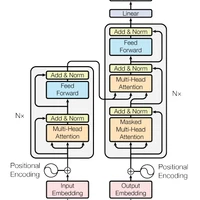

A General Theory for Federated Optimization with Asynchronous and Heterogeneous Clients Updates
We propose a novel framework to study asynchronous federated learning optimization with delays in gradient updates. Our theoretical framework extends the standard FedAvg aggregation scheme by introducing stochastic aggregation weights to represent the variability of the clients update time, due for example to heterogeneous hardware capabilities. Our formalism applies to the general federated setting where clients have heterogeneous datasets and perform at least one step of stochastic gradient descent (SGD). We demonstrate convergence for such a scheme and provide sufficient conditions for the related minimum to be the optimum of the federated problem. We show that our general framework applies to existing optimization schemes including centralized learning, FedAvg, asynchronous FedAvg, and FedBuff. The theory here provided allows drawing meaningful guidelines for designing a federated learning experiment in heterogeneous conditions. In particular, we develop in this work FedFix, a novel extension of FedAvg enabling efficient asynchronous federated training while preserving the convergence stability of synchronous aggregation. We empirically demonstrate our theory on a series of experiments showing that asynchronous FedAvg leads to fast convergence at the expense of stability, and we finally demonstrate the improvements of FedFix over synchronous and asynchronous FedAvg.
CloudFormer: An Attention-based Performance Prediction for Public Clouds with Unknown Workload
Cloud platforms are increasingly relied upon to host diverse, resource-intensive workloads due to their scalability, flexibility, and cost-efficiency. In multi-tenant cloud environments, virtual machines are consolidated on shared physical servers to improve resource utilization. While virtualization guarantees resource partitioning for CPU, memory, and storage, it cannot ensure performance isolation. Competition for shared resources such as last-level cache, memory bandwidth, and network interfaces often leads to severe performance degradation. Existing management techniques, including VM scheduling and resource provisioning, require accurate performance prediction to mitigate interference. However, this remains challenging in public clouds due to the black-box nature of VMs and the highly dynamic nature of workloads. To address these limitations, we propose CloudFormer, a dual-branch Transformer-based model designed to predict VM performance degradation in black-box environments. CloudFormer jointly models temporal dynamics and system-level interactions, leveraging 206 system metrics at one-second resolution across both static and dynamic scenarios. This design enables the model to capture transient interference effects and adapt to varying workload conditions without scenario-specific tuning. Complementing the methodology, we provide a fine-grained dataset that significantly expands the temporal resolution and metric diversity compared to existing benchmarks. Experimental results demonstrate that CloudFormer consistently outperforms state-of-the-art baselines across multiple evaluation metrics, achieving robust generalization across diverse and previously unseen workloads. Notably, CloudFormer attains a mean absolute error (MAE) of just 7.8%, representing a substantial improvement in predictive accuracy and outperforming existing methods at least by 28%.
Intelligent Load Balancing in Cloud Computer Systems
Cloud computing is an established technology allowing users to share resources on a large scale, never before seen in IT history. A cloud system connects multiple individual servers in order to process related tasks in several environments at the same time. Clouds are typically more cost-effective than single computers of comparable computing performance. The sheer physical size of the system itself means that thousands of machines may be involved. The focus of this research was to design a strategy to dynamically allocate tasks without overloading Cloud nodes which would result in system stability being maintained at minimum cost. This research has added the following new contributions to the state of knowledge: (i) a novel taxonomy and categorisation of three classes of schedulers, namely OS-level, Cluster and Big Data, which highlight their unique evolution and underline their different objectives; (ii) an abstract model of cloud resources utilisation is specified, including multiple types of resources and consideration of task migration costs; (iii) a virtual machine live migration was experimented with in order to create a formula which estimates the network traffic generated by this process; (iv) a high-fidelity Cloud workload simulator, based on a month-long workload traces from Google's computing cells, was created; (v) two possible approaches to resource management were proposed and examined in the practical part of the manuscript: the centralised metaheuristic load balancer and the decentralised agent-based system. The project involved extensive experiments run on the University of Westminster HPC cluster, and the promising results are presented together with detailed discussions and a conclusion.
ParaAegis: Parallel Protection for Flexible Privacy-preserved Federated Learning
Federated learning (FL) faces a critical dilemma: existing protection mechanisms like differential privacy (DP) and homomorphic encryption (HE) enforce a rigid trade-off, forcing a choice between model utility and computational efficiency. This lack of flexibility hinders the practical implementation. To address this, we introduce ParaAegis, a parallel protection framework designed to give practitioners flexible control over the privacy-utility-efficiency balance. Our core innovation is a strategic model partitioning scheme. By applying lightweight DP to the less critical, low norm portion of the model while protecting the remainder with HE, we create a tunable system. A distributed voting mechanism ensures consensus on this partitioning. Theoretical analysis confirms the adjustments between efficiency and utility with the same privacy. Crucially, the experimental results demonstrate that by adjusting the hyperparameters, our method enables flexible prioritization between model accuracy and training time.
Principled Federated Domain Adaptation: Gradient Projection and Auto-Weighting
Federated Domain Adaptation (FDA) describes the federated learning (FL) setting where source clients and a server work collaboratively to improve the performance of a target client where limited data is available. The domain shift between the source and target domains, coupled with limited data of the target client, makes FDA a challenging problem, e.g., common techniques such as federated averaging and fine-tuning fail due to domain shift and data scarcity. To theoretically understand the problem, we introduce new metrics that characterize the FDA setting and a theoretical framework with novel theorems for analyzing the performance of server aggregation rules. Further, we propose a novel lightweight aggregation rule, Federated Gradient Projection (FedGP), which significantly improves the target performance with domain shift and data scarcity. Moreover, our theory suggests an auto-weighting scheme that finds the optimal combinations of the source and target gradients. This scheme improves both FedGP and a simpler heuristic aggregation rule. Extensive experiments verify the theoretical insights and illustrate the effectiveness of the proposed methods in practice.


Exploring Parameter-Efficient Fine-Tuning to Enable Foundation Models in Federated Learning
Federated learning (FL) has emerged as a promising paradigm for enabling the collaborative training of models without centralized access to the raw data on local devices. In the typical FL paradigm (e.g., FedAvg), model weights are sent to and from the server each round to participating clients. Recently, the use of small pre-trained models has been shown to be effective in federated learning optimization and improving convergence. However, recent state-of-the-art pre-trained models are getting more capable but also have more parameters, known as the "Foundation Models." In conventional FL, sharing the enormous model weights can quickly put a massive communication burden on the system, especially if more capable models are employed. Can we find a solution to enable those strong and readily available pre-trained models in FL to achieve excellent performance while simultaneously reducing the communication burden? To this end, we investigate the use of parameter-efficient fine-tuning in federated learning and thus introduce a new framework: FedPEFT. Specifically, we systemically evaluate the performance of FedPEFT across a variety of client stability, data distribution, and differential privacy settings. By only locally tuning and globally sharing a small portion of the model weights, significant reductions in the total communication overhead can be achieved while maintaining competitive or even better performance in a wide range of federated learning scenarios, providing insight into a new paradigm for practical and effective federated systems.


ElasticMoE: An Efficient Auto Scaling Method for Mixture-of-Experts Models
Mixture-of-Experts (MoE) models promise efficient scaling of large language models (LLMs) by activating only a small subset of experts per token, but their parallelized inference pipelines make elastic serving challenging. Existing strategies fall short: horizontal scaling provisions entire replicas of the current configuration, often tens to hundreds of accelerators, leading to coarse granularity, long provisioning delays, and costly overprovisioning. Vertical scaling offers finer adjustments but typically requires instance restarts, incurring downtime. These limitations make current approaches ill-suited for the bursty, short-lived traffic patterns common in cloud deployments. We present ElasticMoE, an elastic scaling framework for MoE LLMs that achieves fine-grained, low-latency, and zero-downtime scaling. ElasticMoE decouples inference execution from memory operations, enabling scaling steps to proceed concurrently with serving. An HBM Management Module (HMM) reuses weights and KV caches via zero-copy remapping, while high-bandwidth peer-to-peer transfers bring newly added accelerators online without interrupting service. A virtual memory based expert redistribution mechanism migrates MoE experts without costly buffer reallocations, reducing peak memory usage during expert parallelism reconfiguration. Our evaluation on Ascend NPUs with three popular MoE LLMs shows that ElasticMoE achieves up to 9x lower scale-up latency, up to 2x better throughput during scaling, and significantly improves SLO attainment compared to baselines. By enabling fine-grained, concurrent scaling with minimal disruption, ElasticMoE advances the practicality of deploying massive MoE LLMs in dynamic cloud environments.

Off-the-Grid MARL: Datasets with Baselines for Offline Multi-Agent Reinforcement Learning
Being able to harness the power of large datasets for developing cooperative multi-agent controllers promises to unlock enormous value for real-world applications. Many important industrial systems are multi-agent in nature and are difficult to model using bespoke simulators. However, in industry, distributed processes can often be recorded during operation, and large quantities of demonstrative data stored. Offline multi-agent reinforcement learning (MARL) provides a promising paradigm for building effective decentralised controllers from such datasets. However, offline MARL is still in its infancy and therefore lacks standardised benchmark datasets and baselines typically found in more mature subfields of reinforcement learning (RL). These deficiencies make it difficult for the community to sensibly measure progress. In this work, we aim to fill this gap by releasing off-the-grid MARL (OG-MARL): a growing repository of high-quality datasets with baselines for cooperative offline MARL research. Our datasets provide settings that are characteristic of real-world systems, including complex environment dynamics, heterogeneous agents, non-stationarity, many agents, partial observability, suboptimality, sparse rewards and demonstrated coordination. For each setting, we provide a range of different dataset types (e.g. Good, Medium, Poor, and Replay) and profile the composition of experiences for each dataset. We hope that OG-MARL will serve the community as a reliable source of datasets and help drive progress, while also providing an accessible entry point for researchers new to the field.
Distributed Inference and Fine-tuning of Large Language Models Over The Internet
Large language models (LLMs) are useful in many NLP tasks and become more capable with size, with the best open-source models having over 50 billion parameters. However, using these 50B+ models requires high-end hardware, making them inaccessible to most researchers. In this work, we investigate methods for cost-efficient inference and fine-tuning of LLMs, comparing local and distributed strategies. We observe that a large enough model (50B+) can run efficiently even on geodistributed devices in a consumer-grade network. This could allow running LLM efficiently by pooling together idle compute resources of multiple research groups and volunteers. We address two open problems: (1) how to perform inference and fine-tuning reliably if any device can disconnect abruptly and (2) how to partition LLMs between devices with uneven hardware, joining and leaving at will. In order to do that, we develop special fault-tolerant inference algorithms and load-balancing protocols that automatically assign devices to maximize the total system throughput. We showcase these algorithms in Petals - a decentralized system that runs Llama 2 (70B) and BLOOM (176B) over the Internet up to 10x faster than offloading for interactive generation. We evaluate the performance of our system in simulated conditions and a real-world setup spanning two continents.





GSPMD: General and Scalable Parallelization for ML Computation Graphs
We present GSPMD, an automatic, compiler-based parallelization system for common machine learning computations. It allows users to write programs in the same way as for a single device, then give hints through a few annotations on how to distribute tensors, based on which GSPMD will parallelize the computation. Its representation of partitioning is simple yet general, allowing it to express different or mixed paradigms of parallelism on a wide variety of models. GSPMD infers the partitioning for every operator based on limited user annotations, making it convenient to scale existing single-device programs. It solves several technical challenges for production usage, allowing GSPMD to achieve 50% to 62% compute utilization on up to 2048 Cloud TPUv3 cores for models with up to one trillion parameters.
FedRC: Tackling Diverse Distribution Shifts Challenge in Federated Learning by Robust Clustering
Federated Learning (FL) is a machine learning paradigm that safeguards privacy by retaining client data on edge devices. However, optimizing FL in practice can be challenging due to the diverse and heterogeneous nature of the learning system. Though recent research has focused on improving the optimization of FL when distribution shifts occur among clients, ensuring global performance when multiple types of distribution shifts occur simultaneously among clients -- such as feature distribution shift, label distribution shift, and concept shift -- remain under-explored. In this paper, we identify the learning challenges posed by the simultaneous occurrence of diverse distribution shifts and propose a clustering principle to overcome these challenges. Through our research, we find that existing methods fail to address the clustering principle. Therefore, we propose a novel clustering algorithm framework, dubbed as FedRC, which adheres to our proposed clustering principle by incorporating a bi-level optimization problem and a novel objective function. Extensive experiments demonstrate that FedRC significantly outperforms other SOTA cluster-based FL methods. Our code is available at https://github.com/LINs-lab/FedRC.


Adaptive Personalized Federated Learning
Investigation of the degree of personalization in federated learning algorithms has shown that only maximizing the performance of the global model will confine the capacity of the local models to personalize. In this paper, we advocate an adaptive personalized federated learning (APFL) algorithm, where each client will train their local models while contributing to the global model. We derive the generalization bound of mixture of local and global models, and find the optimal mixing parameter. We also propose a communication-efficient optimization method to collaboratively learn the personalized models and analyze its convergence in both smooth strongly convex and nonconvex settings. The extensive experiments demonstrate the effectiveness of our personalization schema, as well as the correctness of established generalization theories.

Communication Efficient Distributed Training with Distributed Lion
The Lion optimizer has been a promising competitor with the AdamW for training large AI models, with advantages on memory, computation, and sample efficiency. In this paper, we introduce Distributed Lion, an innovative adaptation of Lion for distributed training environments. Leveraging the sign operator in Lion, our Distributed Lion only requires communicating binary or lower-precision vectors between workers to the center server, significantly reducing the communication cost. Our theoretical analysis confirms Distributed Lion's convergence properties. Empirical results demonstrate its robustness across a range of tasks, worker counts, and batch sizes, on both vision and language problems. Notably, Distributed Lion attains comparable performance to standard Lion or AdamW optimizers applied on aggregated gradients, but with significantly reduced communication bandwidth. This feature is particularly advantageous for training large models. In addition, we also demonstrate that Distributed Lion presents a more favorable performance-bandwidth balance compared to existing efficient distributed methods such as deep gradient compression and ternary gradients.


FedMentor: Domain-Aware Differential Privacy for Heterogeneous Federated LLMs in Mental Health
Privacy-preserving adaptation of Large Language Models (LLMs) in sensitive domains (e.g., mental health) requires balancing strict confidentiality with model utility and safety. We propose FedMentor, a federated fine-tuning framework that integrates Low-Rank Adaptation (LoRA) and domain-aware Differential Privacy (DP) to meet per-domain privacy budgets while maintaining performance. Each client (domain) applies a custom DP noise scale proportional to its data sensitivity, and the server adaptively reduces noise when utility falls below a threshold. In experiments on three mental health datasets, we show that FedMentor improves safety over standard Federated Learning without privacy, raising safe output rates by up to three points and lowering toxicity, while maintaining utility (BERTScore F1 and ROUGE-L) within 0.5% of the non-private baseline and close to the centralized upper bound. The framework scales to backbones with up to 1.7B parameters on single-GPU clients, requiring < 173 MB of communication per round. FedMentor demonstrates a practical approach to privately fine-tune LLMs for safer deployments in healthcare and other sensitive fields.

Communication-Efficient Diffusion Denoising Parallelization via Reuse-then-Predict Mechanism
Diffusion models have emerged as a powerful class of generative models across various modalities, including image, video, and audio synthesis. However, their deployment is often limited by significant inference latency, primarily due to the inherently sequential nature of the denoising process. While existing parallelization strategies attempt to accelerate inference by distributing computation across multiple devices, they typically incur high communication overhead, hindering deployment on commercial hardware. To address this challenge, we propose ParaStep, a novel parallelization method based on a reuse-then-predict mechanism that parallelizes diffusion inference by exploiting similarity between adjacent denoising steps. Unlike prior approaches that rely on layer-wise or stage-wise communication, ParaStep employs lightweight, step-wise communication, substantially reducing overhead. ParaStep achieves end-to-end speedups of up to 3.88times on SVD, 2.43times on CogVideoX-2b, and 6.56times on AudioLDM2-large, while maintaining generation quality. These results highlight ParaStep as a scalable and communication-efficient solution for accelerating diffusion inference, particularly in bandwidth-constrained environments.
Serverless Cold Starts and Where to Find Them
This paper releases and analyzes a month-long trace of 85 billion user requests and 11.9 million cold starts from Huawei's serverless cloud platform. Our analysis spans workloads from five data centers. We focus on cold starts and provide a comprehensive examination of the underlying factors influencing the number and duration of cold starts. These factors include trigger types, request synchronicity, runtime languages, and function resource allocations. We investigate components of cold starts, including pod allocation time, code and dependency deployment time, and scheduling delays, and examine their relationships with runtime languages, trigger types, and resource allocation. We introduce pod utility ratio to measure the pod's useful lifetime relative to its cold start time, giving a more complete picture of cold starts, and see that some pods with long cold start times have longer useful lifetimes. Our findings reveal the complexity and multifaceted origins of the number, duration, and characteristics of cold starts, driven by differences in trigger types, runtime languages, and function resource allocations. For example, cold starts in Region 1 take up to 7 seconds, dominated by dependency deployment time and scheduling. In Region 2, cold starts take up to 3 seconds and are dominated by pod allocation time. Based on this, we identify opportunities to reduce the number and duration of cold starts using strategies for multi-region scheduling. Finally, we suggest directions for future research to address these challenges and enhance the performance of serverless cloud platforms. Our datasets and code are available here https://github.com/sir-lab/data-release
